
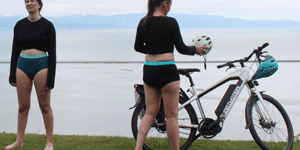

To be safe and comfortable doing a multiday mountain biking adventure you will need to carry gear with you. Understand the options that are available to you
Supporting you and your family to SMILE when you ride.
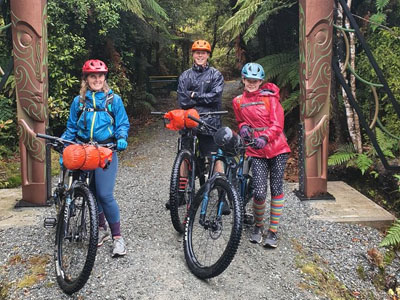
How much gear should I carry?
When you choose to ride away from support services you need to be self reliant and independent when managing yourself and your bike. All the gear you take should have been tested out on practice rides before you go. Don’t take anything you don’t know how to use or won’t need, space and weight is really critical for you to enjoy your adventure. All potential weather conditions need to be covered. You need to know you can stay well hydrated and carry enough food to keep you well fuelled for the complete length of the ride.
Total Amount of Gear Depends On:
- season/weather
- number of days to complete your ride
- how isolated it is
- accomodation options/facilities along the way
- number of people in your group
Gear List:
Coordinate with the group so you don’t double up on things – for example will one pump, one first aid kit be enough for the whole group?
Other considerations
It is important to consider how to pack your gear. What items will you need quick and easy access to. Items like water, a jacket, your tools, first aid, food for that section of the ride. You will also need the ability to keep all your gear dry. So where you can choose waterproof bags or put the gear that needs to remain dry inside waterproof dry bags then into your bag. Consider where best to carry heavier items and how to manage the bulkier items like your sleeping bag.
Carrying Gear on Your Bike
What you can choose in this section may be limited by the type of mountain bike you are riding and the size or shape of the frame. The key to multiday mountain biking is that the terrain offers some challenges so it is important to keep the load centred and low, within the parameters of the bike (don’t go too wide).
Frame Bags:
There are different sizes to match to your frame shape so you can get one that fills all the space. You should also choose waterproof if you can, the closer to ground position tends to get a bit dirty in anything but perfect dry weather. They are a good option for quick access to the stuff on the top so think about this when packing.
Why we like Frame Bags… the position is great for heavier items, it is low and will keep you balanced.
The challenges… the shape and size of your bike will determine if you can use a frame bag. Small and oddly shaped space can often mean that a frame bag may not be an option for you.

Seat Bags:
Great waterproof option to have completely dry gear when you get to your destination. Placed behind you, under your seat so keep the weight placed in it light so that your balance is good on the bike and your load remains stable. These are a mid size bag option (10L or 15L) so unless your trip is just for one night you will need other gear carrying options.
Why we like Seat Bags… being fairly small they force good gear choices and will keep your gear to a minimum. Keeps the load within the parameters of your bike. Great for teenagers learning to carry their own loads. A waterproof bag is best.
The challenges… with these styles of bags you do get some side to side movement of the bag as it moves with the bike,
Lightweight Carriers & Dry Bags:
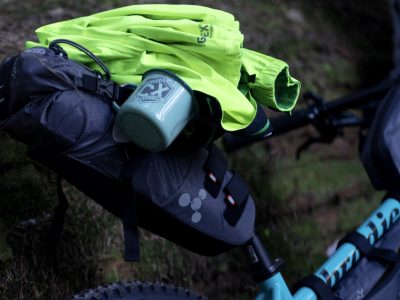
These carriers are designed for use with bikes that have suspension so are perfect for mountain bikes. They give you options as they can be attached to the front or rear of your bike. Carriers are a good place to put any heavier gear you have to take – cooking gear, tools, evening food. Best to use a carrier with a dry bag to protect your gear from weather as well as any spray coming off your wheels. Dry bags come in a range of sizes so you can choose what best suits you for the trip you are planning. Be aware as you are packing that your dry bag needs to be secured so will have a bungy or strap applying pressure to it – don’t pack anything that won’t cope with being a bit squashed.
Why we like Carriers & Dry Bags… they keep your stuff dry! They get weight off your body and onto the bike which is great for any big distance riding. Depending on the size of your dry bag (5L to 30L) the bulk of your gear can be carried here.
The challenges… getting into them can be a bit time consuming…so not great for your easy access items you may need during the ride..

Handlebar Dry Bags:
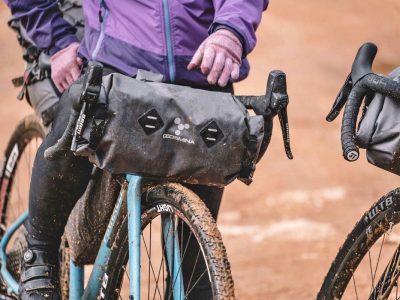
Great solution for getting some weight on the front of your bike to even out load distribution. Good for clothing and great sleeping bag option – things that you want to keep dry but are lightweight, you don’t want too much weight here as it will effect your ability to steer.
Why we like Handlebar Dry Bags… they keep your stuff dry! Perfect size for a sleeping bag or any other lightweight gear. Good place for your lunch or snacks as the side opening makes access easy.
The challenges… Items carried here need to be lightweight. This tube style bag does have a limited diameter. If you are wanting to carry your sleeping bag in here make sure it will fit
Top Tube Bags:
A really convenient and easy to access place for your essentials. They come in a range of sizes so you can find the perfect solution to what you want to have available. Great option for screen display of maps on your phone.
Why we like Top Tube Bags… they keep your keys, wallet, phone, and tools or snacks in a safe well organised place. Easy to attach, easy to access.
The challenges… Small and lightweight gear only. You will need a top tube (which mountain bikes have but just watch out if your top tube is really wide or doesn’t split off from your down tube where you would attach the bag).

Carrying Gear on Your Body
When riding distance you do want to limit the amount of weight that you carry on your body. Backs, shoulders and necks can find it hard biking time with load
Hydration Packs/Backpacks:
For multi day riding, each day can bring different distances or time on the bike. We recommend keeping your bag option to the medium size, somewhere from 10 to 20L. You will be able to carry water – a large 3L bladder – along with important extra items that you want quick access to. This could include a waterproof jacket, your snacks and lunch, extra clothing for warmth, a first aid kit. Anything you want to keep in an easy to access place. Great if this is food as the weight of the pack will decrease as the day goes by.
Why we like Hydration Packs… they give you options and, the bigger the bag, the more flexibility you will have to take more gear as the need arises. You can easily add a tool roll, first aid, extra clothing/jackets. Carrying enough water can be an issue when riding in isolated areas so a large bladder will keep you hydrated. We like that the hydration bag we have chosen has a low sitting wide bladder which keeps this weight across your low back and hips. For women this is a much better place to carry weight.
The challenges… too much weight can cause discomfort.

Hip Packs:
A popular option for those not wanting anything up their back and great for warm weather riding as a back pack will make you sweat. Hip packs can hold a water bottle, sometimes 2 or a small hydration bladder, 1.5L. Choosing a large size hip bag will increase your gear carrying potential. You can decide whether the focus is water or gear and get a hip bag that matches. If you need to, how will you keep the gear in your bag dry?
Why we like Hip Packs… it’s all there in a small, easily accessed, well designed bag. The position this bag sits in is great for distance and time on a bike. Carrying weight across the top of your hips is comfortable and will keep you very balanced on the bike.
The challenges… Limited in what you can carry due to the amount of space available.

Small Bag Options
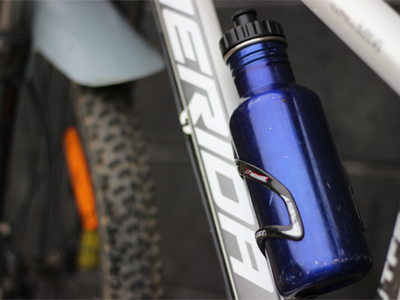
Water bottle cages will carry a drink bottle or a tool bottle. Some frames have multiple places to mount a cage meaning you can have two with two water bottles. You need to understand what size drink bottle will fit within your frame shape to determine if you will have enough water before you get to your next water supply. For more on Hydration see Hydration Buying Guide
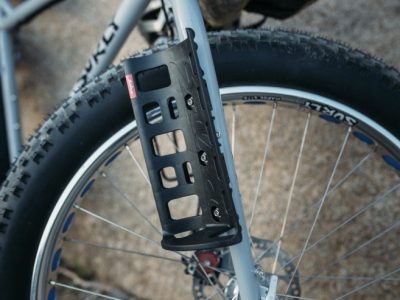
Larger flat cages take small dry bags and can be attached to different parts of your frame or front forks. The are often called Cargo Cages. Access to the dry bags is not quick but as the name suggests it will keep whatever is in it dry! The size of these bags will comfortably hold some of your extra gear for use when you get to your destination.
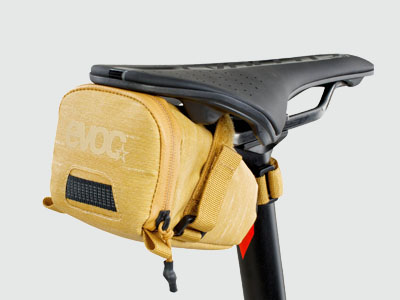
Tour Size Tool Bag will have the space needed to take a larger tool kit. This is something you will need for isolated riding. Attaching under the seat means your tools will be in a convenient easy to access place which is ideal. This can also be a great spot for some snack food, if there is room.
Note: can not be used if using a larger seat bag
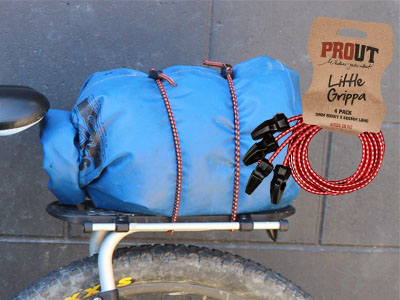
Bungies & Straps are always a good idea to have for securing dry bags to cages or carriers. Having a spare one is always handy if anything breaks or to secure something to the outside of a bag.
Your bike riding success is different to others… use our stories and support, get the right solutions.
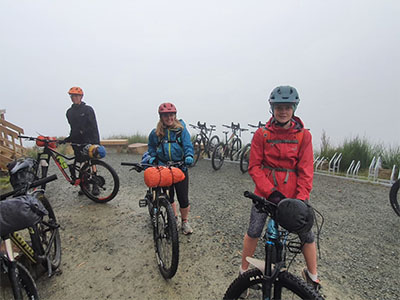
Papaora Track with a Family
Read stories about NZ trails, tracks & parks. Find out what other families & riders are doing. Be inspired! Is this ride an option for you or your family?
Carrying Gear Buying Guide
What do you need to consider and think about when choosing a bag to carry gear in? This buying guide takes you through the options from small to large.
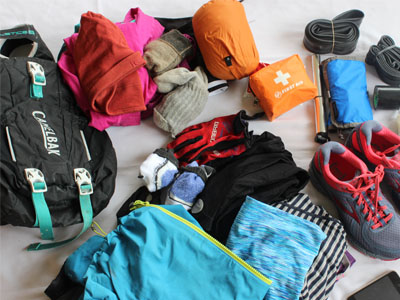
Gear List for Unsupported Multi Day Riding
What do you need when you plan to ride in the back country or in isolated areas? Get ready and be safe.
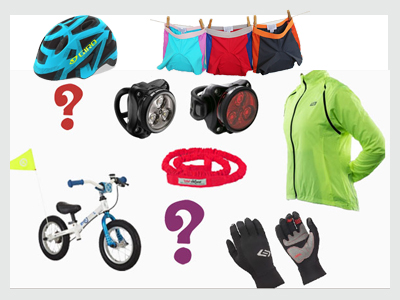
Buying Guides
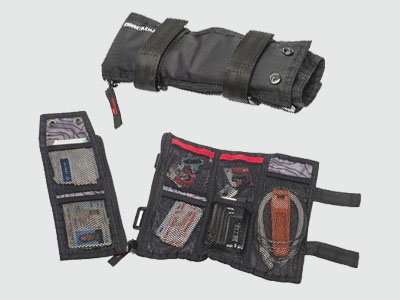
How to Carry Bike Tools
We want you to take tools every time you ride. How should you carry them and what should you take?

How Much Water?
Choose a hydration carrying system that will work for you. First you need to know how much water to take…
Support and inspire other riders and families to ride
Share your riding outings, adventures and experiences on our quick and easy question and answer forms. Join us in helping others ride bikes. All entries receive a free shipping coupon and go into our seasonal prize draw.
goRide supporting women and families to SMILE when you ride