
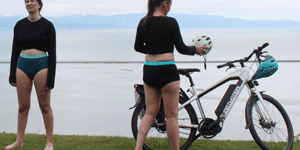

Do E-bikes need special tools that should be carried every time you ride? Lets explore this question a bit and give you the knowledge you need to ride your E-Bike safely and with confidence.
Supporting you and your family to SMILE when you ride.

If you have joined the thousands of New Zealanders riding an E-Bike you will know how much fun this experience is and what it opens up for you. Being able to ride further, faster or over challenging terrain (hills) is something that many people have taken too with much enthusiasm. But like any bike you are vulnerable to mechanical failure and you need to prepare yourself for this.
Bike Tools you should carry with an E-Bike
For the most part you need to be prepared for the same types of things any bike rider experiences. Flat tyres, seats that need adjustment, bolts that have loosened, chains snapping… Remember you are now travelling at speed. With speed comes increased vibration so you definitely need to check screws more often. Are your reflectors or lights screwed on? Does your mudguard have screws, or your front or rear carrier? How are any bags attached to your E-Bike… all these things need to be checked and tightened. With increased speed comes an increased likelihood for a puncture if your tyres are not pumped up well. When you hit small bumps or curbs at speed with soft tyres you can get pinch flats so we recommend checking your tyre pressure often.
This means tools should be carried that match your needs and ability to help yourself or group. Tool Kits should get bigger as distance from help increases. This is just sensible stuff and allows you to ride and be safe. See our range of Bike Tools Kits to get a better understanding of this.
The minimum you or someone in your group should be carrying…
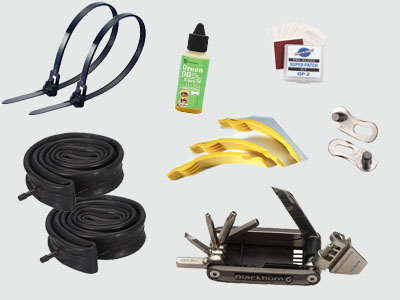
- Spare tube/s or a puncture repair kit
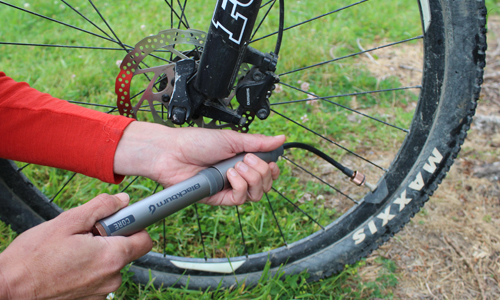
- A pump
- Tyre levers – set of 3
- A simple Allen/Hex Key or basic multi-tool
What makes an E-Bike different?
Obviously, the main difference to a standard bike is the fact you have a battery. You can choose to purchase and carry a spare battery with you but for most people this added expense and weight is not practical. If your battery is charged and performing as it should you will be able to ride wherever you want. You do need to understand your battery – how far can you ride? What do the different power levels do to your battery charge level? If your battery goes flat can you still ride your bike? How long does it take to charge your battery when it is flat? An E-Bike can be heavy so riding it without assistance can be challenging. For safety on multi day or isolated rides consider taking an Electric Bike Tow Rope with you, so someone in your group can tow you to help if you experience any battery problems. This type of towing can also be used to conserve battery power.
Part of choosing to ride a bike with added elements is the commitment to understanding the bike and the specific needs it has. Regular maintenance and care is important and will increase the life of your bike and lessen the likelihood of problems occurring. Take advantage of the bike shop you brought your bike from. They should have the knowledge and hopefully the workshop you need for servicing and more major repairs. You do need to be aware that at some point your battery will fail. They have limited life spans and will eventually need replacing.
The most common side of the road issue that E-Bike riders face, that is different to a standard bike, is damaged/loose battery cabling disrupting the power to the bike. This is where tape and cable ties can be very useful in your tool kit for on the go repairs. If tour riding or riding over multiple days in isolation, and your group has the capabilities, you need to consider carrying extra cabling or take extra batteries.
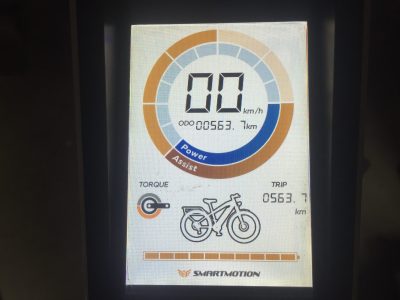
Every E-Bike is different so you need to understand how your bike works.

An E-Bike tow rope gives you a back up if you have any battery issues.
What goRide Recommends:
Always take tools. If you carry a tool you should know what it is for and how to use it. Your aim does not have to be a comprehensive fix but a way to safely get home or closer to help. Add some tape and/or cable ties to make your tool kit more E-Bike specific.
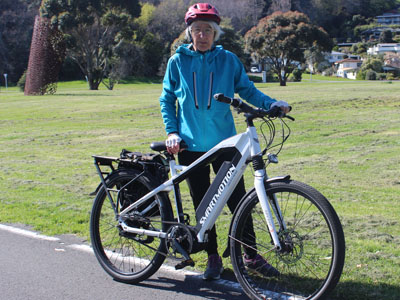

Regularly check nuts, bolts & screws on your E-Bike.
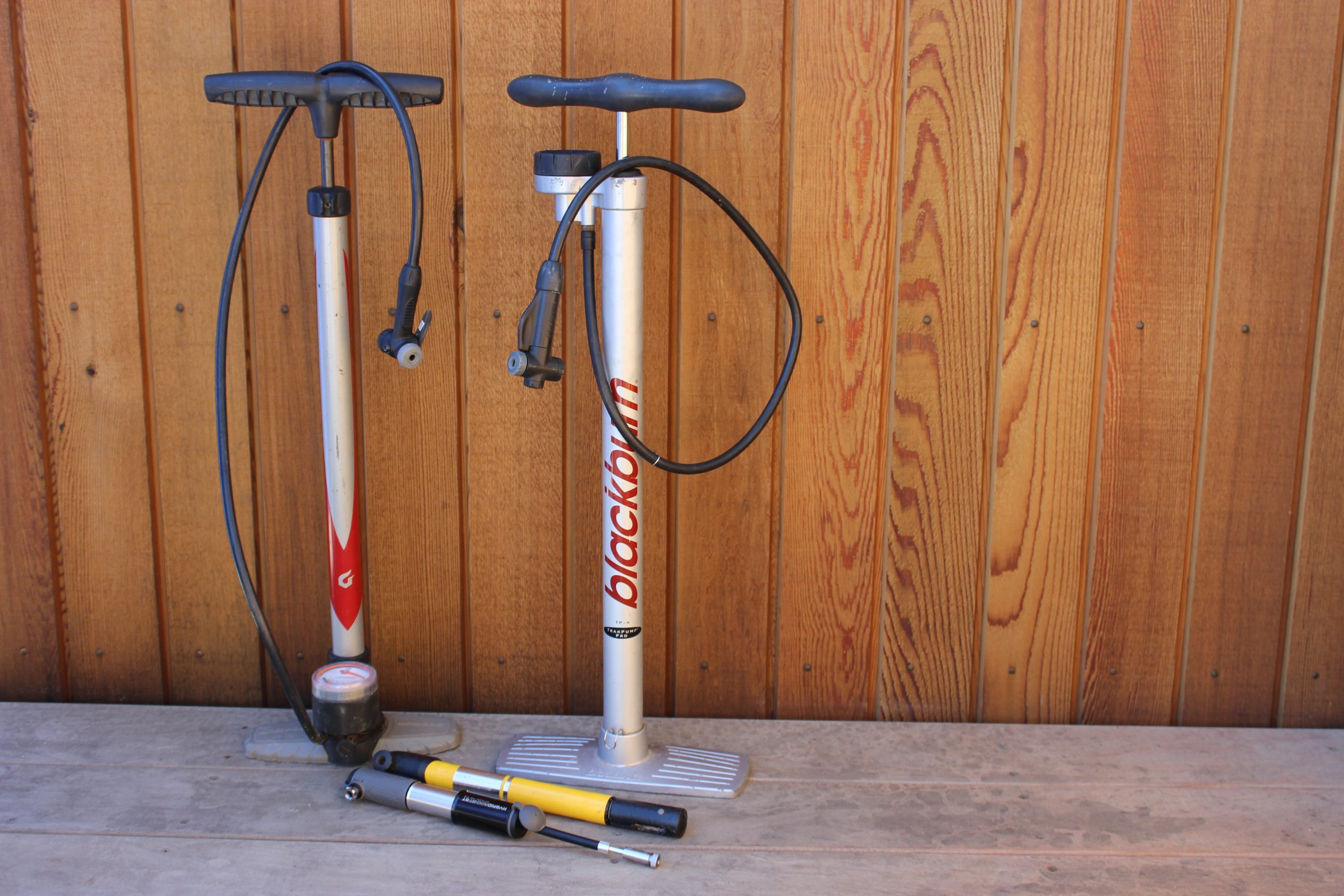
Keep your E-Bike tyres well pumped up to avoid punctures.
At Home Routine:
“Check & Charge, Check & Pump”. It is a great idea to store your E-Bike close to a charging point so you can easily plug in the battery, leaving it to charge overnight. Keeping a floor pump close to your E-Bike is also a good idea. Get into the habit of checking the tyre pressure when you plug in your battery. Understand what a good pressure level is for the type of tyres you have. We recommend having your tyres pumped up at or just under the top end of the recommendation. Make sure the floor pump you choose is easy to use so that this task is completed without any frustration.
Learn More: Pumping Up Your Tyres (includes video). At Home Floor Pump
What are the right Bike Tools to Carry solutions for you? Your success is different to others… use our stories and support, get the right solution

Bike Tools to Carry
All our stories on bike tools to carry on one easy to navigate page

How to Buy a Bike Tube
It is important to carry a spare bike tube with you incase of a puncture. Make sure you are carrying the right bike tube for your bike.

Mini Bike Pump
A mini bike pump a tool to carry. Learn what it is, why you need it and how to use it
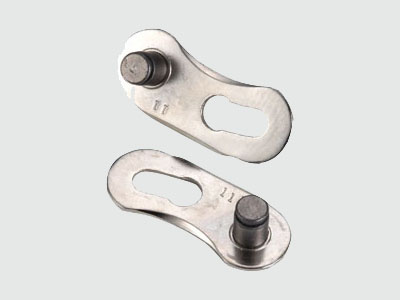
Spare Chain Link
A spare chain link a tool to carry. Learn what it is, why you need it and how to use it

Puncture Repair Kit
Puncture Repair Kit a Tool to Carry. Learn what it is, why you need it and how to use it
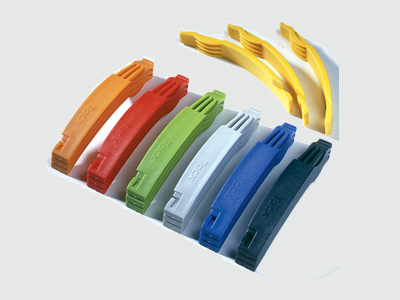
Bike Tyre Lever
Bike Tyre Lever a Tool to Carry. Learn what it is, why you need it and how to use it

The Allen Key
An Allen Key a tool to carry. Learn what it is, why you need it and how to use it
Want more from your riding?
Be supported to Ride as a Family and/or receive Seasonal Inspiration. So you can SMILE when you ride.
All new members are automatically entered into our Seasonal Prize Draw.
SMILE when you ride
Support & Inspire other riders and families
Share your riding outings, adventures and experiences on our quick and easy question and answer forms. Join us in helping others ride bikes.
All entries are automatically entered into our Seasonal Prize Draw.