

Letting your child ride on the road by themselves can be a scary prospect. How can you prepare them for this type of traffic riding? Let’s take a look at what you need to know to make this a safe, enjoyable experience.
The ability for your child to jump on a bike and get out into your community opens up a whole lot of possibilities and is nothing short of liberating. As your child grows the independence that can be had because they are travelling by bike through your community will bring a real sense of achievement and is a great gift you can give them.
What is the best way to develop the skills & awareness your child will need to ride on the road? There is an age guide of 10-11yrs but this depends on your child and your family. How much riding have they done in their life and how good are they at concentrating?
Knowledge & Skills they MUST have…
Ideally you will have been preparing them for this stage of their cycling journey for a number of years by being a family who rides. To be able to teach your child you must feel confident yourself in this environment. If you do not work on becoming confident or find someone who can help both of you.
Areas of Learning:
- Decision Making & Concentration
- Riding Skills, Balance
- Predictable Riding
- Routines & Processes
- Decision Making & Concentration
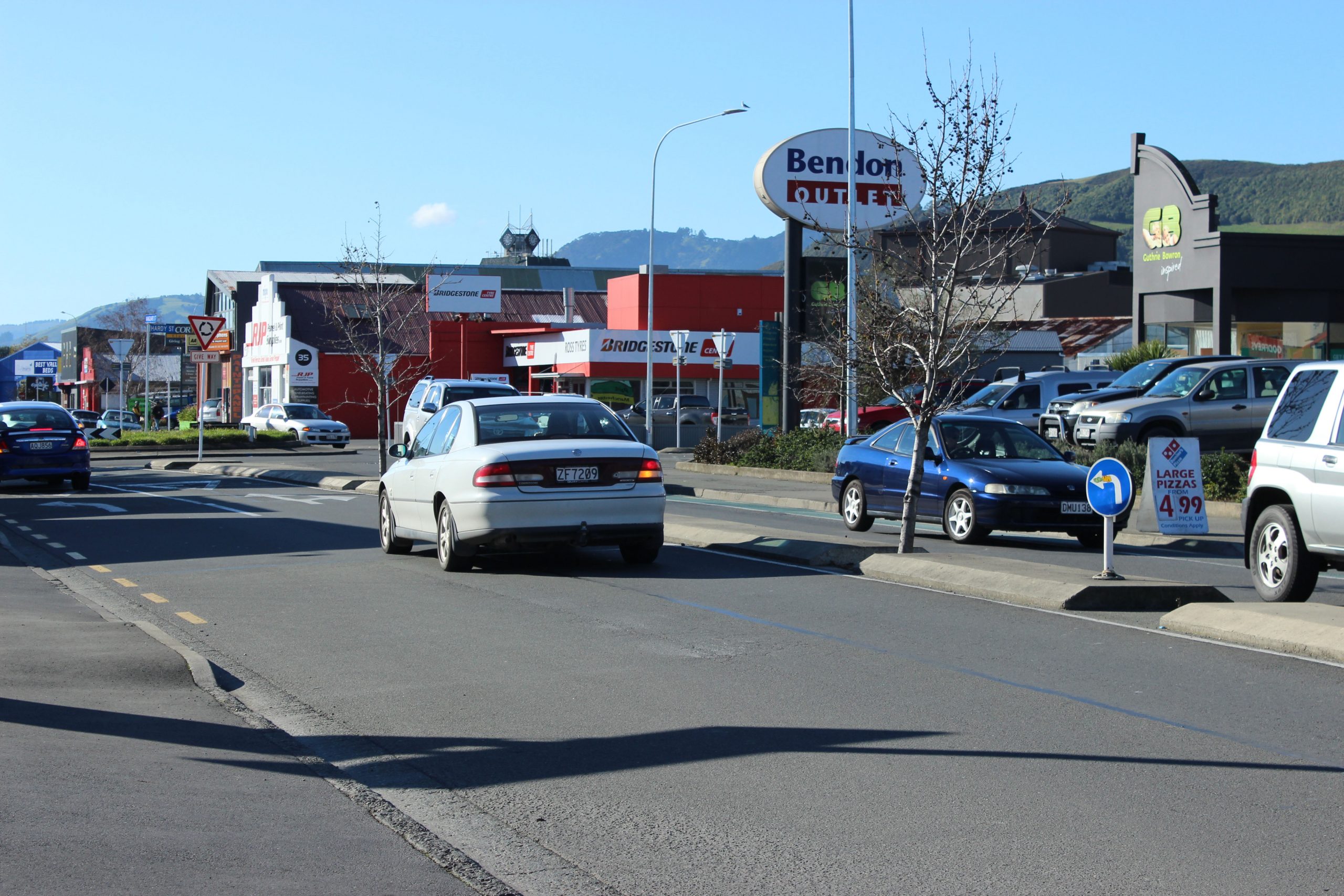
On road, traffic environments are busy. If your child is a confident rider the bike riding part will be an easy transition. It is the traffic part that is the challenge for most children. If you or your child are not very confident on your bikes please read our story on Improving Confidence.
When riding a bike in traffic you will be constantly processing and making decisions. These decisions include
- whether to stop or not for a light that has changed to orange
- how to giveway at intersections or roundabouts
- when to go if you are crossing traffic
- how to move into a traffic flow or switch lanes
- where to position yourself on the road
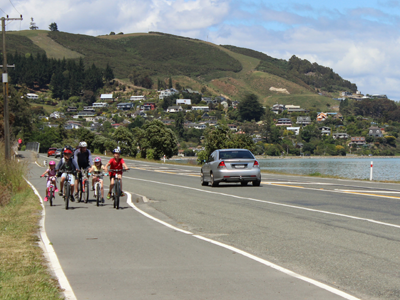
Have they interacted with traffic enough to understand what cars are likely to do on a road and how fast they travel? Only you will know if your child is ready. It is always a good idea to take them into traffic and observe the things they do, the decisions they make. When you think they can, let them lead the way and make decisions for both of you.
How many of the road rules do they understand? Talking about rules as you use them and ride through traffic is a great way to learn practically but also make sure you read the Road Code with them.
Riding Skills, Balance
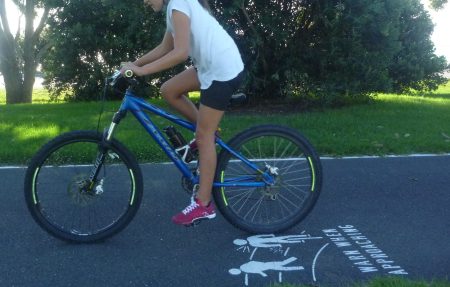
To be able to ride safely through traffic your child will need to be able to signal and look over their shoulder while maintaining a steady straight line of riding. The general sequence is to look over your shoulder, to signal your movement, to check the traffic again, and finally to make your move. Signalling involves being able to take one hand off their handlebar to let cars know they are preparing to turn, change lanes, or stop. To move through traffic you need to know what is going on behind you, what cars are approaching, so you must be able to turn your body and look over your shoulder without veering into this traffic. We have written a story on these skills so please read it for further advice.
Being a Predictable Rider
Kids who are a bit more adventurous or confident won’t have a problem with the smooth terrain a road provides. Trail riding or mountain biking kids often have to be discouraged from trying to make their on road riding more “interesting”. Being a predictable cyclist is a great way to be safer. Bikes are expected to occupy certain areas of the road, come from certain directions, ride in a straight line, etc…
If your child is jumping curbs, weaving in and out of obstacles or racing with their mates they become unpredictable and may surprise drivers. You want a confident rider but they also need to respect the environment.
Routines & Processes
A different type of learning but just as important. Having routines & processes will help to make their riding more enjoyable. It is just about making them feel in control and solving issues before they become problems. Knowing what to do when and how to do it all helps with managing in a challenging environment.
- Bike – learn how to do a quick safety check before each ride. Know how to pump up a tyre and when something needs looked at (brakes, gear cables). How to communicate this or who will help them. How to keep their bike safe. Do they understand the risk of it being stolen? Do they have a lock they can use and do they know how to lock their bike to different types of fixed objects?
- Helmet – their helmet must be fitted properly to their head every time they ride. Any kind of impact will damage it including dropping it! Do they have a way of securing it to their bike so it’s not stolen?
- Gear – try to keep gear in the same place so its easy to find. This includes a helmet, gloves, lights, locks.
Problem solving when they are out with their bike. Have discussions around what to do if they get a flat tyre (self sealing tubes will solve this problem). Do they understand laws around lights and riding in low visibility. Do they have lights for their bike or helmet?
What to do it they have an accident…
In this day an age it is a good idea to give your independent rider a cell phone they can take with them to where it is they are riding – school or after school activity. Have your number loaded into it and make sure they know how to call you (most kids won’t need a lesson they can probably teach you!). After a scare like this it is generally a good idea to go and get them. If the accident is minor, it is also a good idea to record some details. Where, when, why etc. Get your child to take the drivers number and contact details incase you need them at a later stage or talk to the driver yourself, always be polite and calm. Remember no one intends to hit a child on a bike. Your local council will be recording these types of traffic incidents to determine any high risk spots so please contact them so they can get an accurate picture of your communities traffic issues.
If the accident is more serious the police should be involved, insurance details will need to be exchanged and maybe a visit to hospital is required. I truely hope this never happens to anyone in your family but it does happen to cyclists so you need to be prepared. It is a good idea to have your contact details in an easy to find place. If your child is unconscious people attending the accident will be trying to help and will look for something like this. Good places are under the cover of their cell phone, inside pocket of jacket, or a small pocket on their bag.
Your bike riding success is different to others… use our stories and support, get the right solutions.

Full Range of Buying Guides
Get the advice you need to have the right gear. See our full range of buying guides.

Bike Helmets - What are my options?
Get an overview of the options that are available so you can have a helmet that works for the riding you do.
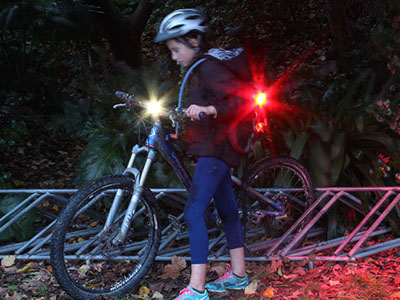
Be Visible Guide
See all our visibility solutions on one page. From lights to jackets and vests. What solutions will work for you?

Bike Lock
All our advice & support about bike locks on one easy to navigate page.

Ride More Places
Read stories about riding trails, tracks and mountain bike parks in beautiful NZ. Be inspired and learn whether this may be an option for you or your family.
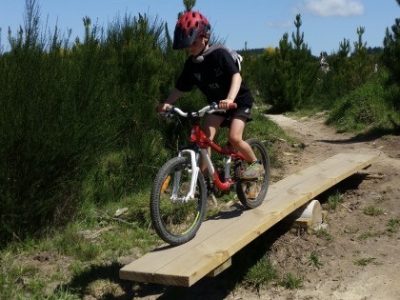
Fun Up the Kids Bike
Help your kids to love their bike and their riding. Fun & interesting gear that will appeal.

Rear Carrier Mount Bike Seat
We love this seat. Super lightweight, quick, & easy to attach to a carrier and change between bikes. Suitable for a wide age range – 1-6 year olds.
Want more from your riding?
Be supported to Ride as a Family, Progress Your Riding and/or receive Seasonal Inspiration. So you can SMILE when you ride.
All new members are automatically entered into our Seasonal Prize Draw.
SMILE when you ride
Support & Inspire other riders and families
Share your riding outings, adventures and experiences on our quick and easy question and answer forms. Join us in helping others ride bikes.
All entries are automatically entered into our Seasonal Prize Draw.