
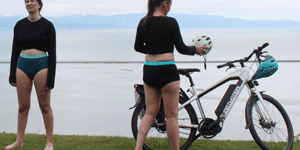

Are you thinking about going on a multi day bike adventure? You need a first aid & emergency kit for bike touring but you’re not quite sure what to put in it? Well keep reading…
Supporting you and your family to SMILE when you ride.
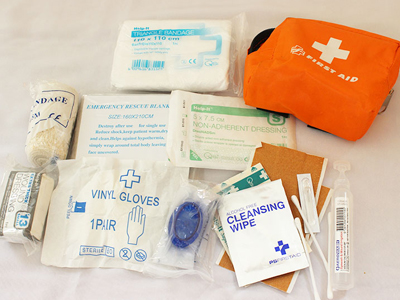
With the development of so many off road trails it has become quite easy to be “remote” on your bike fairly quickly. When you choose to go places on your bike that help can’t get to quickly there has to be some self responsibility. A simple part of that is your first aid management.
What is in a First Aid Kit for Biking?
To follow is a list of what is important to take with you when you or your family go riding for 2 or more days. How much or how big your kit gets depends on whether your bike trail takes you through urban areas (access to medical help or a pharmary) like on the WestCoast Wilderness Trail (Westcoast of South Island) Compare that to riding The Heaphy or Old Ghost Road (Upper Westcoast of South Island).
It’s a good idea to start with a first aid kit designed for outdoor use. Choose the size you think you need – compact or large – then if needed add to it what you think would be helpful. Be prepared for sprains/breaks, grazes/wounds/bleeding, minor injury, hypothermia, seat discomfort…
- triangular & crepe bandages
- blister plaster
- sterile adhesive & non-adhesive dressings
- sterile wound dressing
- sterile skin closures
- scissors
- cleansing wipes
- eye wash/wound irrigation
- strapping tape
- survival blanket (one for each person in group)
- pocket knife
- CPR shield
- splinter probe
- safety pins, cotton buds
- anti-flam cream
- chamois cream
- pain killers
- personnel medication
- insect repellant (optional)
- whistle, cell phone &/or responder beacon, if backcountry touring with no cell phone coverage
Where should I carry it? Think easy, quick access so don’t pack it at the bottom of a bag. A first aid & emergency kit would be best in a handlebar bag/frame bag/seat bag. Positioned near the top.
Someones Had a Fall…
You will need to find and access the injury. Have they lost consciousness at all? How serious is the damage… don’t move anyone until you are sure that no neck or back damage has occured. Get them comfortable, give them time, sort out any basic first aid that you can. Now you need to make a plan
- If they can carry on riding: Be patient, they may lose confidence, let them take their time.
- Turning back/fastest way out: This means they will be uncomfortable, may need regular stops, keep accessing for shock, give food & water regularly
- Can’t move: Get them as comfortable and as warm as possible. Use emergency blankets. Decisions will need to be made about alerting help – cellphone call to friends/family, calling emergency services, setting off a responder beaken which will summon a helicoptor.
Hypothermia
If you are bike touring in conditions with a significant Cold Challenge – Temperature, Wetness, Wind combined with fatigue, poor food intake and/or dehydration you need to be aware of the risk of mild hypothermia
- Watch for the “Umbles” – stumbles, mumbles, fumbles, and grumbles which show changes in motor coordination and levels of consciousness
- Shivering – not under voluntary control, not easily stopped
- Can’t do complex motor functions (single track riding) can still walk & talk
- Numbness in periphery (hands, feet)
Heat Retention + Heat Production less than Cold Challenge = Hypothermia
What can you do for mild hypothermia?
- Reduce heat loss by adding layers of clothing, getting dry clothing on, increasing physical activity or providing shelter. Use a emergency blanket
- Add fuel & fluids. It is essential to keep a hypothermic person adequately hydrated and fueled
- Add Heat – Fire or other external heat source. Body to body contact. Get into a sleeping bag, in dry clothing with a normo-thermic person in lightweight dry clothing
(Source: Outdoor Action Guide to Hypothermia & Cold Weather Injuries. By Rick Curtis)
This advice gives you a starting place to help someone who has injured themselves or is showing signs of mild hypothermia. Nothing replaces training, so if no-one in your group has training or a medical background consider adding this to your list of things to “get better” at before you go bike touring or on multi day adventures.
Your bike riding success is different to others… use our stories and support, get the right solutions.
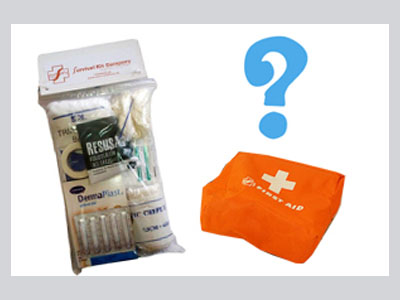
First Aid Buying Guide
Use the full range of gear carrying options to get the right solutions for you and your family.
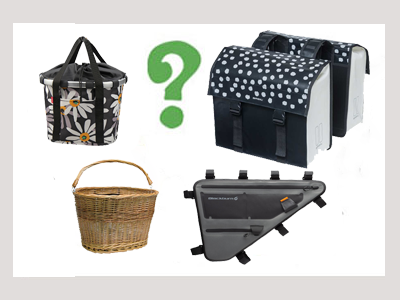
Carrying Gear Buying Guide
Use the full range of gear carrying options to get the right solutions for you and your family.

Isolated Riding - Am I Safe?
When you go for a ride in isolated areas what will keep you safe? Do you need to plan or prepare in a better way? Lets find out.
How Much Water Do You Need?
Hydration is a really important part of riding a bike. This story covers all you need to know about water.

Ride More Places
Bike Gear Stories

Types of Riding Stories
Support and inspire other riders and families to ride
Share your riding outings, adventures and experiences on our quick and easy question and answer forms. Join us in helping others ride bikes. All entries receive a free shipping coupon and go into our seasonal prize draw.
goRide supporting women and families to SMILE when you ride