
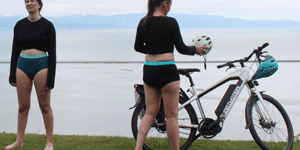

Welcome to Winter riding tips. Cold and potentially wet weather awaits you on the bike. Winter riding is about finding ways to continue and enjoy your riding through the colder and shorter days.

Winter – be safe in the cold & wet
Welcome to winter riding tips. It is easy to enjoy this season on your bike or as we like to say ‘Outwit the Weather’. You just need to be aware of what conditions you are potentially riding in and have solutions to any challenges.
To enjoy winter on your bike you need to get ready with some extra gear or bike accessories. Some additions are for safety, others to help with your temperature management. There is nothing worse than being cold when riding. Add cold to wet and this can quickly lead to issues. Not so bad if you’re riding in town and can get home quickly… It can be a disaster if you have decided to ride in an isolated environment.
For more on hyperthermia head to the end of this story where there is a detailed description of mild hyperthermia and what to do if someone in your bike group has it.
Everyone will have a slightly different list of requirements to keep them smiling while winter riding. Just pick out the tips you think apply to you, in terms of how you would like to ride in winter. If your bike of choice is an E-Bike all this stuff applies – perhaps more – as you can go further and the weather may change on you. You can also move faster with less effort so wind chill/warmth on the bike might be a bigger issue.
Be Warm on your Ride
Layer up base, mid & outer layers. This gives you flexibility as you warm up on the bike you can remove clothing or as you feel chilled or cold you can add protection. Thermal jackets are designed to block wind flow and keep you snug. All jackets will help with this, even a vest to protect your core is helpful.
Know about fabric, especially what you choose to wear close to your skin. As you ride a bike and perhaps begin to sweat, base layers need to be pulling this moisture away this is called wicking. Merino is great at this, cotton is not. For more information see the link below about layering.
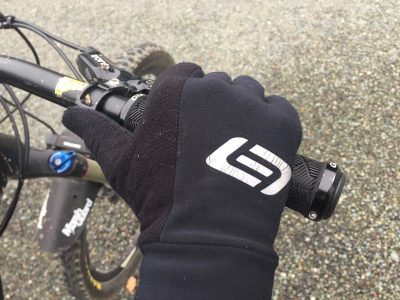
Add length in gloves to full fingers options. Add length in 3/4 or long pants. Waterproof over trousers are generous in sizing & shape so layers for warmth can be worn underneath.
Protect extremities – merino socks for toes, a headband or neck warmer, a beanie under your helmet for your ears, neck warmers or scarfs for around the neck/upper chest and fleece lined gloves for fingers. Extremities can be a real challenge to keep warm while riding in the cold (any temperatures under 10 degrees), especially if you already have circulation issues. Again layer up and try to keep moving them, readjusting position, wiggling fingers or toes all helps.
FURTHER READING:
Bike Clothing: Layering for Comfort on the Bike
Feet: Numb or Cold Feet
Bike Gloves: Cooler Weather Bike Gloves
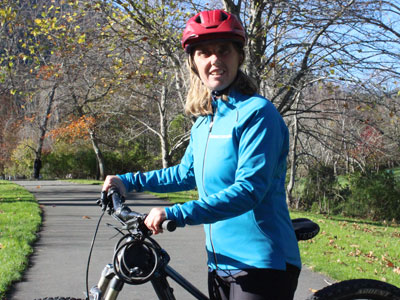
Thermal Jacket – a jacket for warmth. Can be used as an outer or mid layer
Stay Dry on your Ride
Jackets are key – waterproof to water resistant. Whatever you think matches the type of riding you are about to do. Just make sure you have it on or with you. It’s no good hanging in the wardrobe at home. Jackets designed for wearing on a bike will work better. Bike jackets are usually what are called lightweight shells – they have little to no insulating layers to allow for the fact you are exercising in them. Be aware of length, a lot of bike jackets are short in design to not interfere with the seat when you dismount. Also they are fitted so you don’t create a parachute when moving.
Try mud guards to reduce the spray. These are great for commute riding to reduce the debris/grit/water from the road. Also great for mountain bike riders to reduce the mud – see Mud Guards for MTBs
Maybe waterproof over trousers would keep you riding all year, this type of pant is a great idea for commute riders committed to riding in all weather conditions.
Know the weather you are heading into especially if its a big day ride, anywhere isolated or back country multi day riding. What is the weather forecast and how quickly could the weather change? If you are riding somewhere new or anywhere isolated always be over prepared, weather can be very unpredictable in New Zealand. It is your responsibility to carry and use gear that will keep you safe. Waterproof jackets with high breathability ratings are best matched to this type of riding.
FURTHER READING:
Bike Jackets: Features & Terms Explained. Bike Jackets: All our Stories & Support for Bike Jackets
Bike Jacket: Buying Guide

Jackets for Winter Riding
Be Seen when you Ride
Visibility is often an issue in adverse weather which winter often brings. Heavy rain and low light levels can make it difficult for drivers to see bikes. Winter also means shorter days so you are much more likely to be riding at night time. It is NZ law to ride with one front & one rear light 30 minutes before sunset to 30 minutes after sunrise.
To help, even during daylight, we recommend
- using lights. If possible two on the rear, one positioned high, one attached lower e.g. on your helmet/high on a backpack and on your seat post/rear carrier. One flashing to attract attention, one constant to help the driver judge distance
- wearing bright outer layers, a bright helmet or a bright coloured back pack all helps
- reflective strips or covers work really well in low/poor light or night riding situations. On jackets, trousers, bags or bands that you wrap around your upper arm or leg
FURTHER READING:

Be Safe when You Ride
Being responsible and thinking ahead is just part of safely completely any kind of ride on your bike, in any season, over any kind of distance. For more detailed information on helmets, tools, first aid, lights, carrying gear and how these things relate to safety, check out our Safety Stories.


Signs of Hypothermia
If you are bike touring in conditions with a significant Cold Challenge – Temperature, Wetness, Wind combined with fatigue, poor food intake and/or dehydration you need to be aware of the risk of mild hypothermia
- Watch for the “Umbles” – stumbles, mumbles, fumbles, and grumbles which show changes in motor coordination and levels of consciousness
- Shivering – not under voluntary control, not easily stopped
- Can’t do complex motor functions (single track riding) can still walk & talk
- Numbness in periphery (hands, feet)
Heat Retention + Heat Production less than Cold Challenge = Hypothermia
What can you do for mild hypothermia?
- Reduce heat loss by adding layers of clothing, getting dry clothing on, increasing physical activity or providing shelter. Use a survival blanket
- Add fuel & fluids. It is essential to keep a hypothermic person adequately hydrated and fuelled
- Add heat, fire or other external heat source. Body to body contact. Get into a sleeping bag, in dry clothing with a normo-thermic person in lightweight dry clothing
Your bike riding success is different to others… use our stories and support, get the right solutions.

Ride More Places
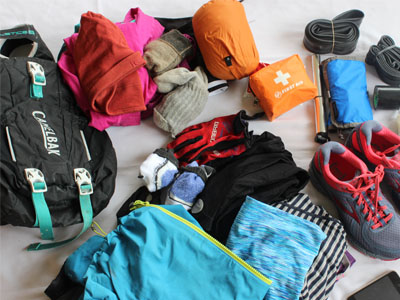
Bike Gear Stories
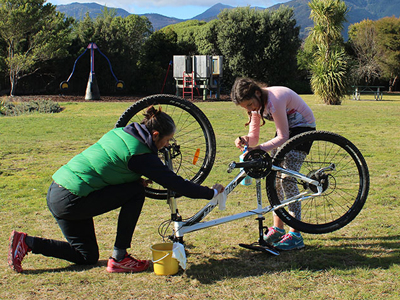
Women and families learning ...
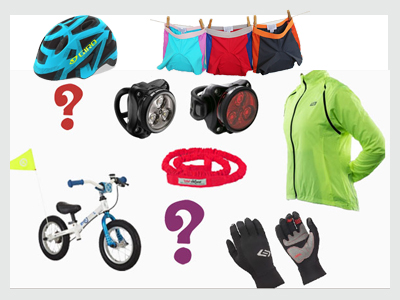
Buying Guides

Solution Finder

Types of Riding Stories
Support and inspire other riders and families to ride
Share your riding outings, adventures and experiences on our quick and easy question and answer forms. Join us in helping others ride bikes. All entries receive a free shipping coupon and go into our seasonal prize draw.
goRide supporting women and families to SMILE when you ride