
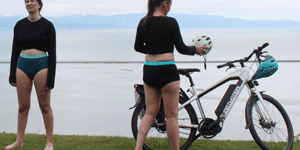

If you choose to ride around town, you are choosing to engage with roads and cars. This can put you at risk. To be safe, comfortable & confident you need to understand any risks and manage them well.

Tip One – Wear a Good Bike Helmet
Wear a helmet that has been designed for the type of town riding you are about to do. There are a huge range of helmets out there so you will be able to find one that is a good fit. We recommend full head coverage, lightweight and bright colours or graphics. Additional features like rear vent lights are also great. Choose the protection that will give you confidence and the knowledge that you have the correct gear to ride safely on the roads & bike paths you choose.
Check out our Adult Bike Helmet Buying Guide and our Bike Helmet Stories & Support Page
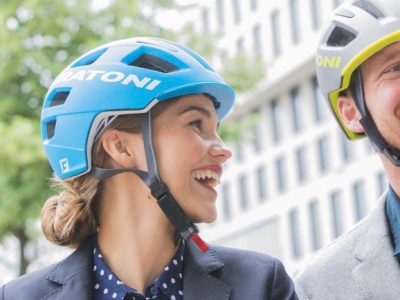
The ideal helmet for Town Riding should be bright & provide you with good head coverage.
Tip Two – Be Visible, Be Heard
In busy traffic environments you need to be seen. During the day bright colours will catch the attention of drivers. If using your bike often around town you may find yourself riding in poor light, poor weather conditions or at night. These are all situations where lights are a must.
There are two things to think about to keep yourself visible on the road; Lights & Clothing.
Lights – You will need to do a bit of reading & research to understand what is best for the type of town riding you do so read our Bike Light Buying Guide. We recommend an easy to carry, easy to attach front & rear light set that suits the lighting environment you use your bike in.
Outer Layers – Simply put, be bright. Catch the attention of drivers from a distance so that they know you are there. Being easy to see keeps you safe. This includes any outer layers of clothing or add a lightweight bright, reflective jacket or vest over your clothing every time you ride. Visit our Be Visible Product Page
Bike bells are a great way to let people know you are around. This is great for shared path ways and will make other riders and pedestrians aware of you. There is a correct technique for passing and using a Bike Bell. Find out more by reading Using a Bike Bell or visit the Bike Bell Buying Guide
Tip Three – Tools & Accidents
Carrying tools whenever you choose to go for a ride is a really important commitment to make to keep you safe. This becomes even more important as you get further from help – more isolated trails/tour riding. You should be able to manage the basics by being able to fix a punctured tyre, adjust a seat or brake lever. We recommend carrying;
- Tyre levers, spare tube, mini pump and/or puncture patches
- Simple multi tool
There are multiple ways you can choose to take tools with you. Seat posts bags are a popular choice. Tool wraps that can be placed in a backpack and will open up to easily display all your tools are a great idea. Remember if you are leaving your bike locked up any where you can’t leave anything that is attached to your bike without it being locked on.
You need to understand how to use what you carry so if you need some help with this please see the following resources we have created;
Five Simple Bike Tasks You Should Know, Tools & Kits to Carry, What’s in a Basic Tool Kit?
Although not common you can have accidents & falls. More concerning is any kind of crash that involves a motor vehicle. If serious always call the police. If it is a near miss try to report it to your local council who should have a HotLine for this purpose. This is really important for road planners and those involved in traffic management so they can build an idea of dangerous spots or issues for cyclists.
Tip Four – Carrying Gear/Weather Protection
What you need to be safe when you ride in town depends on how far you are going and how committed you are to riding in all weather.
Shopping/Work Equipment – Always try to keep your loads even and balanced… try not to put too much weight on your back as this will become challenging over time for any rider. Panniers and baskets are great for around town riding allowing you to easily carry extra things.
Jackets – Having a jacket that packs down well and is easy to carry is great for your town riding protection. Keeping yourself dry is key to keeping safe and enjoying your ride. As the weather deteriorates you can add protective layers. Fabrics that are bright, reflective & waterproof are important so that you and your clothing remains dry. In poor weather conditions you must be aware that it is harder for drivers to see you. Being bright with outer layers is a great way to make sure you are visible.
Tip Five – Use a Bike Lock
If leaving your bike unattended in an urban area, you want to know that it will be there when you return. Choosing the right bike lock depends on a number of things… what the risk level is, what type of structures you have to lock your bike to and how long you are leaving it for. Get a better understanding of your Bike Lock options by reading the Bike Lock Buying Guide and make sure you know how to use a lock correctly. The Best Way to Lock a Bike
Tip Six – Comfort & Contact Points
Your comfort while riding is a huge part of enjoying your time on a bike. It will also keep you protected & safe. There are three key points where you make contact with your bike. The seat, the handlebars and the pedals…
We have extensively covered bike seat comfort and the problems that can occur at this important contact point… View our COMFORT ON YOUR BIKE SEAT page.

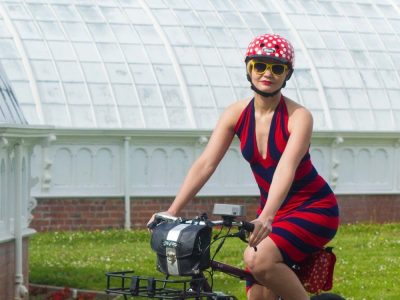

Your bike riding success is different to others… use our stories and support, get the right solutions.

Ride More Places
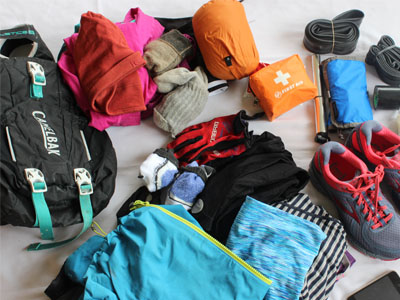
Bike Gear Stories
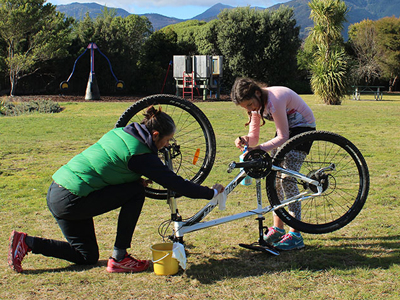
Women and families learning ...
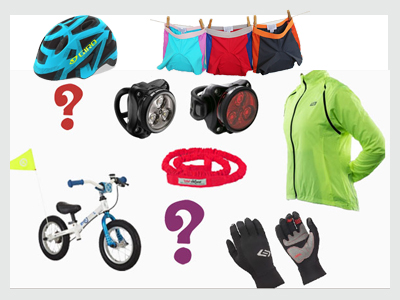
Buying Guides

Solution Finder

Types of Riding Stories
Support and inspire other riders and families to ride
Share your riding outings, adventures and experiences on our quick and easy question and answer forms. Join us in helping others ride bikes. All entries receive a free shipping coupon and go into our seasonal prize draw.
goRide supporting women and families to SMILE when you ride