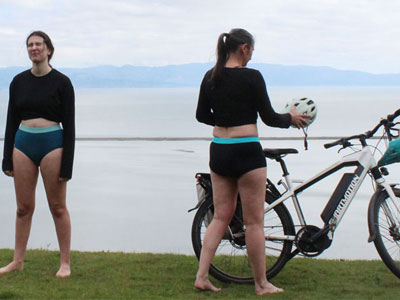

When riding over multiple days you will need to feel be safe and comfortable with how your bike handles when gear is attached to it. Let’s consider some of the key principles of carrying and packing load so you can safely ride your bike.
Supporting you and your family to SMILE when you ride.
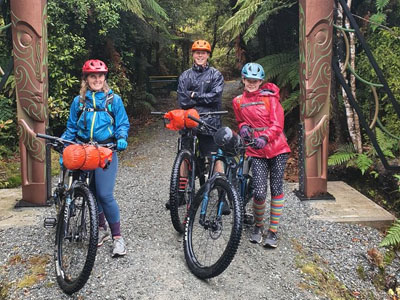
Weight on your bike will change the handling of your bike. It will effect your bike and your balance. If you are aware of, and understand, some of the principles of carrying weight you can reduce the effects on your biking balance.
The Key Principles;
- Keep your load light
- Make your load low and centred
- Distribute your load
 Keep your load light
The two ways to keep your load light is to carry the right amount of gear and carry gear that is lightweight.
The right amount of gear: You need to carry gear to keep yourself safe and comfortable when you ride. It is important you only carry that you absolutely need. It takes time and experience to get this exactly right. Start by gaining a good understanding of what you will need to carry and fine tune as you learn and gain experience. The gear you need to carry will depend on.
- the season/weather
- hours and number of days to complete your ride/distance
- how isolated it is
- your accomodation options/facilities along the way
- the number of people in your group
Carry gear that is lightweight: When you know what’s on your gear list try to make as much of it as possible – light and compact. If you are buying new then choose gear options that pack down, are light and designed for the bike. If you are borrowing, seek out lightweight. If you already have the gear and it’s a bit bulky then maybe choose to slowly upgrade to more practical solutions, especially if you want to do more of this type of riding.
 Make your load low and centred
Keep your load and heavier items closer to the centre of your bike to help minimise the effects on your biking balance. Any load that is high or to one side can create leverage and will have a greater effect on your balance. Pack heavier items toward the centre of your bike. When packing a bag place the heavier items at the end that will be closest to your frame.
The wider the load the greater the effect. Panniers have the capacity to carry large loads and therefore more weight. If the terrain is challenging or you find balancing your bike difficult, then try to keep your load within the parameters of your bike.
 Distribute your load
The gear requirements for multiday riding often mean that all your stuff won’t fit in one bag. You will need to distribute your load over different areas on your bike. It is best to practice with your loaded bike before you go on your ride. Each ride will probably require a slightly different set up. You will adjust to this feeling of weight if it is well thought out… your bike and your balance needs to be worked on.
To reduce the impacts of loading a bike and its effect on your balance try and keep front and back loads reasonably evenly distributed. The weight in the front will be slightly lighter than the weight at the rear of the bike. Evening up the distribution of your load will help your handling of the bike.
Large wide loads should also be even from side to side.
Specific Areas & Carrying Gear:
Gear in the Middle of your Bike
If you have some space between your top and bottom tube consider how you could use this space to carry load. Being low and centred on your bike, this is the perfect space on the bike to carry heavier items. You could also consider carrying load on the top of your top tube.
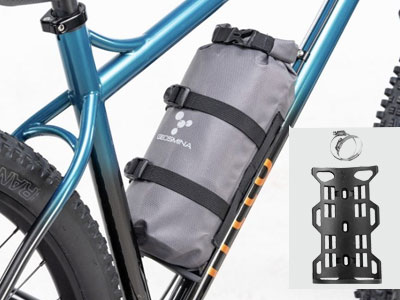
Cargo cages can carry dry bags or large water bottles. They also attach to front forks.
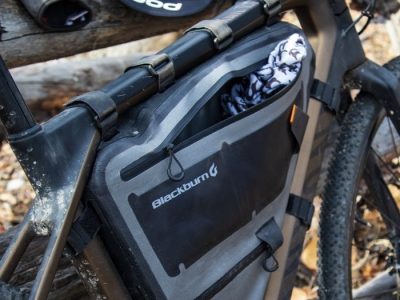
Triangular frame bags are come in different sizes to fill all the available space.
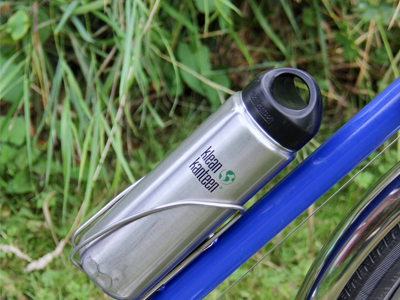
Bottle cages can carry water or tools. Two can be attached to some bikes.
Gear at the Rear of your Bike
Load at the rear offers you the ability to take bulkier items that don’t pack down. If you have a heavy item to pack at the rear try and centre that item by packing it as close to the seat post and as low as possible.
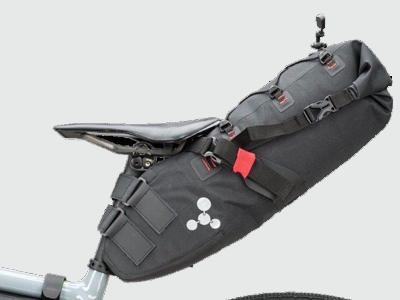
Rear seat bags come in different sizes.
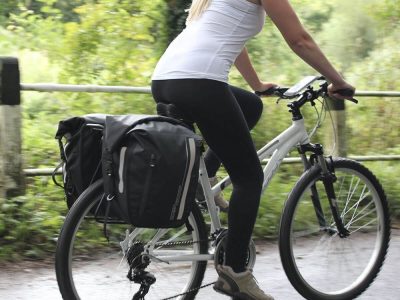
Rear panniers provide great space. Best suited to smooth, wide terrain.

Lightweight Backpacking Carrier with dry bag. Dry bags come in lots of sizes.
Gear at the Front of your Bike
Gear attached at the front of your bike to your handlebars needs to be light to not interfere with your steering. Front bags often have easy access. Remember the front/back distribution. Lightweight front carriers are great for multiday trips.
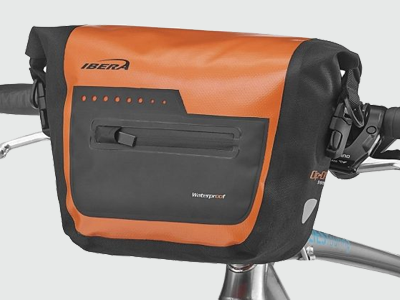
Good waterproof, functional bag with easy access. Popular with bike path & trial rider.
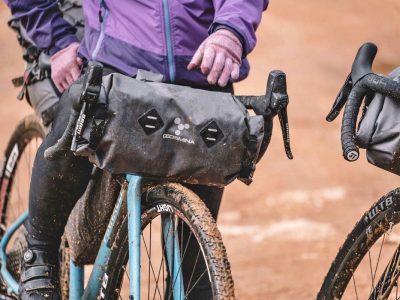
Waterproof tube style front bag, good for lightweight sleeping bags or clothing.
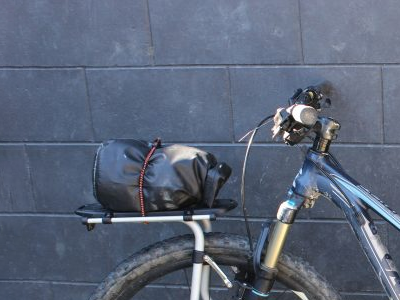
Lightweight Backpacking Carrier attached at the front, used with a dry bag.
Your bike riding success is different to others… use our stories and support, get the right solutions.
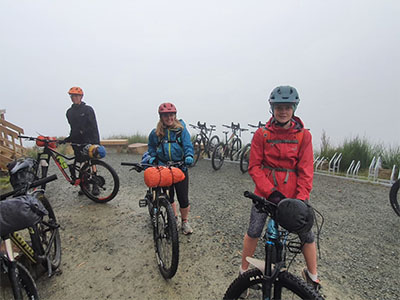
Papaora Track with a Family
Read stories about NZ trails, tracks & parks. Find out what other families & riders are doing. Be inspired! Is this ride an option for you or your family?

Carrying Gear Buying Guide
What do you need to consider and think about when choosing a bag to carry gear in? This buying guide takes you through the options from small to large.
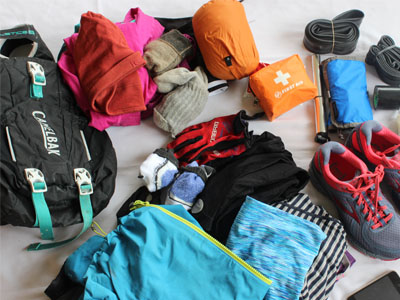
Gear List for Unsupported Multi Day Riding
What do you need when you plan to ride in the back country or in isolated areas? Bet ready and be safe.

Lightweight Carriers
Get gear off your body and onto the bike with a lightweight carrier. Choose the right carrier for the riding you do.

Improving Balance on Your Bike
Balance is an important component of learning to ride and improving your riding. Get tips & exercises to do.
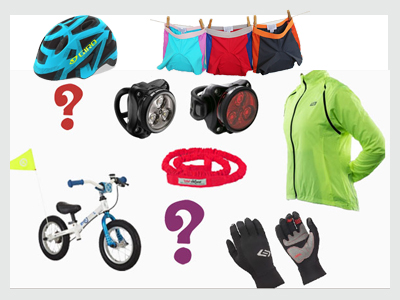
Buying Guides
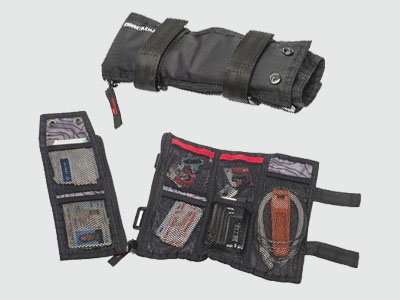
How to Carry Bike Tools
We want you to take tools every time you ride. How should you carry them and what should you take?

How Much Water?
Choose a hydration carrying system that will work for you. First you need to know how much water to take…
Support and inspire other riders and families to ride
Share your riding outings, adventures and experiences on our quick and easy question and answer forms. Join us in helping others ride bikes. All entries receive a free shipping coupon and go into our seasonal prize draw.
goRide supporting women and families to SMILE when you ride
