
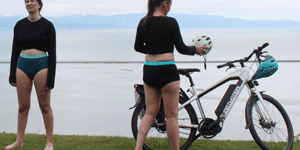

NZ Cycle Trail Riding is an amazing way to see some very special parts of our country. Exploring on your bike gives you the ability to connect with the outdoors and enjoy NZ in a totally different way. To be safe, comfortable & confident you need to understand any risks and manage them.

Tip One – Wear a Good Bike Helmet & Gloves
Wear a helmet that has been designed for the type of riding you are about to do. There are helmets that match to off road environments whether you ride at speed (on an E-Bike) or are a bit more relaxed. Your helmet needs to be durable. It should provide protection against falls onto features such as hard packed gravel surfaces, rocks, tree stumps or down a bank. We all hope we won’t fall but if we do your helmet needs to work for you so it must fit your head well. You must take the time before every ride to adjust it correctly so that it will stay in position on your head. For more info see How to Fit a Bike Helmet
We recommend wearing gloves. Gloves for riding over multiple days on off road tracks should have a good level of padding to help with absorbing the constant vibration that riding on rougher surfaces causes. Choose fingerless or full finger depending on the season and style you prefer. See our Bike Glove Options
Check out our Adult Bike Helmet Buying Guide and our Bike Helmet Stories & Support Page

A performance level helmet with the design features that will protect you for off road riding.
Tip Two – Tools & First Aid
What you choose to take or carry will largely depend on whether your ride is supported by a tour group or whether you are riding amongst friends/family and being self sufficient. Carrying tools whenever you choose to go for a ride is a really important commitment to make to keep yourself safe. This becomes even more important as you get further from help – more isolated trails. The condition of the trials is also a factor to consider, if you know if is a bit rough through sections you need to prepare for the worst. You should be able to manage the basics by being able to fix a punctured tyre so that you can get to the next point of help or support. We recommend carrying within your group;
- Tyre levers, spare tubes and/or puncture patches, mini pump
- Multi tool with several features
- Several cable ties
- 20ml Chain Lube & Chain links (if someone in the group knows how to fix a snapped chain)
There are multiple ways you can choose to take tools with you. Seat posts bags are a popular choice. Tool wraps that can be placed in a backpack and will open up to easily display all your tools are a great idea. For options take a look at Bike Bags. You need to understand how to use what you carry so if you need some help with this please see the following resources we have created;
Tools & Kits to Carry, Do I Need a Special E-Bike Tool Kit?
Riding NZ cycle trails requires a certain skill level and confidence – there are trails for all ability levels – please be aware of the grade of the trail you are heading into. Although not common you can have accidents & falls. We recommend carrying a Compact First Aid Kit designed for bike riders. this kit is small, lightweight and easy to carry. It will have everything you need to manage basic first aid. When you choose to do any kind of isolated riding a first aid kit is an essential piece of gear to carry. See First Aid for Biking Buying Guide.
If you are prone to any kind of discomfort on or around your bike saddle, or you feel you are under prepared for the time you are about to spend on your bike (your training did not go to plan), please consider adding chamois cream to your first aid. This cream can be used to prevent or soothe if any chaffing becomes evident. In hot weather over multiple days this can be an essential part of your personnel care.
Tip Three – Carrying Gear
What gear you need to be safe when you ride on a NZ cycle trail depends on how far you are going and how isolated you will be. It is also about the weather and how this weather will affect your body temperature. Extra things to carry include food, water, clothing (and tools/first aid which we have talked about in the above section). It is often the thought of all this stuff, and how to carry/manage it, that makes people choose supported tours. For more on Carrying Gear see How to Carry Gear: Bike Bath/Trail Riding which covers options for Supported Tour Riding.
Food – For most rides under an hour you won’t need food. Anything over this time or any ride that involves a sustained challenging climb we would then recommend carrying a snack. Knowledge of the trail is really important so you can plan & prepare well. Are there food stops on the trail? Will you be able to buy food along the way? If the section of the ride is over 2-3 hours your snack should become multiple snacks or a lunch/dinner. Keeping your energy levels high is really important for your enjoyment and your ability to concentrate during the next phase of your riding. Food is a great way to break up the day and take a rest off the bike in some amazing spots!
Evening Food – Riding a bike will give you a good appetite and we recommend having a fairly substantial evening meal in preparation of the next days physical requirements. Again this will depend on the trail you have chosen to do, where you have decided to stop for the night and any support you have. Often each nights stop can be at a lodge or in a small town where finding food won’t be a problem.
Water – What you need to carry depends on a number of things; how far you are going, the access to drinking water, how much you sweat, how hydrated you where before beginning your ride. For more detail on staying well hydrated please read our Hydration Buying Guide and the story on Hydration – Carrying Water When You Ride. As a general guide more is better and this is why so many off road riders choose a hydration pack with a bladder – it allows you to carry more water than a drink bottle.
Clothing – Regulating your body temperature and keeping yourself dry is key to keeping safe and enjoying your ride. Again this becomes more important as you choose to ride further away from populated areas. Layering is a great tactic. As you warm up you can take off outer layers. Or in reverse, as the weather deteriorates you can add protective layers. Fabrics that have the ability to wick & breath are important so that you and your clothing remain dry. The worst combination is being cold & wet this is why we recommend quick dry fabric or merino for base and mid layers, with breathable but waterproof outer layers. Also be aware of the heat and protecting yourself from the sun.
See our Bike Jacket & Top options.
Tip Four – Comfort & Contact Points
Your comfort while riding is a huge part of enjoying your time on the bike. It will also keep you protected & safe. There are three key points where you make contact with your bike. The seat, the handlebars and the pedals…
We have extensively covered bike seat comfort and the problems that can occur at this important contact point… View our COMFORT ON YOUR BIKE SEAT page or go directly to our Stories & Support page to see the overview of all the information on bike seats.
It is really important to try out any new protection choices well in advance of taking them on a multi day ride. You need to be confident your gear will perform the way you want it to and provide you with the comfort you thought you would get.
Tip Five – will you get caught in the dark?
Most NZ cycle trail riding is best done during the day. A lot of the enjoyment from doing this riding is about taking in the scenery and enjoying your surroundings. These trails and tracks are not set up with any kind of lighting so you will be completely in the dark if caught out. There are two things to think about to keep yourself safe if you think you may ride at night; warmth & lights.
Lights – You will need to do a bit of reading & research to understand what is best for the type of riding you do so read our Bike Light Buying Guide. We recommend an easy to carry, easy to attach front & rear light set that is powerful enough for you to see by – a Night Riding Set.
Warmth – See the section on clothing above for advice on layering and fabrics. Take special care to keep your extremities warm; fingers, toes & ears. So think thermal & merino for gloves, socks & headbands or beanies. Winter Warmth for Riding Combo

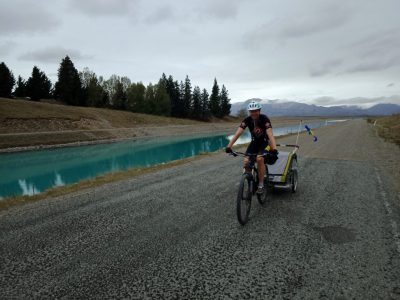
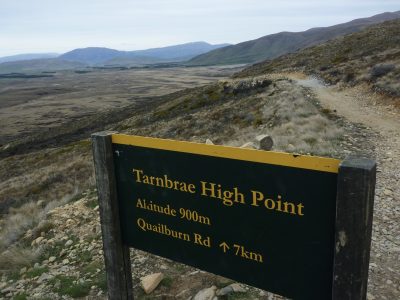
Your bike riding success is different to others… use our stories and support, get the right solutions.

Ride More Places
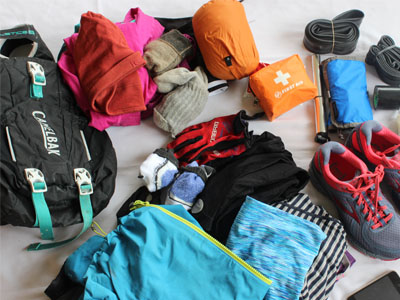
Bike Gear Stories
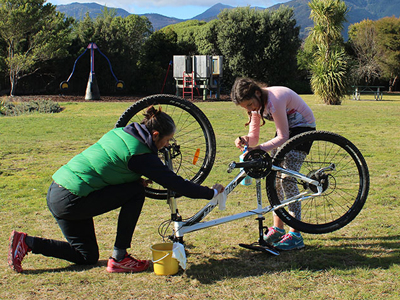
Women and families learning ...
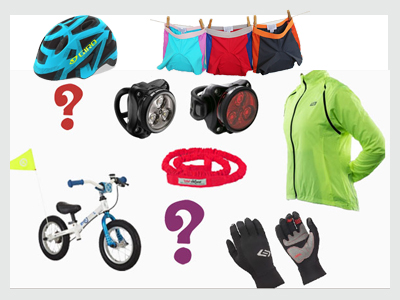
Buying Guides

Solution Finder

Types of Riding Stories
Support and inspire other riders and families to ride
Share your riding outings, adventures and experiences on our quick and easy question and answer forms. Join us in helping others ride bikes. All entries receive a free shipping coupon and go into our seasonal prize draw.
goRide supporting women and families to SMILE when you ride