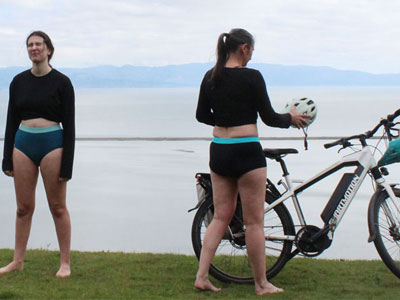

The position you ride in plays an important part in you being comfortable on your bike seat. Learn the importance of your core strength in achieving this position and maintaining it throughout your ride.
Supporting you and your family to SMILE when you ride.

What is your ‘A’ Riding Position?
We talk about the correct riding position as your ‘A’ Riding Position. It is defined relative to an ‘A’ to help you gain some understanding of what shape you are trying to achieve, and to make it easier to think about and adjust when you are riding.
Learn about your ‘A’ Riding Position and then lets get some understanding of the importance of the core muscles in supporting and maintaining this position.

Core Strength
Your core muscles are the key muscles that enable you to achieve an ‘A” Ridng position and maintain this position through out the duration of the ride.
So what is Core Strength? Core refers to our centre, like the core of an apple, Our core is our mid region, the region that links our arms and legs. When we talk of core strength, core control or core stability we are referring to the strength/control/stability of this mid region. Being able to keep this region in a good position over a period of time.
As a rider it means having control of your mid region so you can achieve and maintain the “A” riding position.
Using Your Core Muscles
If you are achieving the ‘A” position then you will be using your core muscles. It will take a conscious effort (at least until you become very proficient at it) to ride in an ‘A’ position. In fact, your body seems to find it far easier to ride without using your core. However with a little patience, time and practise you can learn to use core muscles when you ride.
What happens when you don’t have sufficient core strength/stability/control to maintain your ‘A’ Riding Position?
Your spine with collapse (slightly forward or backwards) causing increased load and compression on tissues and structures on the bike seat that are not designed to take this load. This is likely to result in discomfort.
Collapsing Forward
Your lower back will become more arched. Those who carry a lot of weight around their tummies can be particularly vulnerable to collapsing forward. Collapsing forward may cause low back and pelvic issues as well as discomfort on your bike seat particularly compression of tissues in the front. (Note; there may be other reasons for compression at the front, for example, your saddle and how it is set up on your bike).
Collapsing Backward
Your lower back will become more rounded. This is like slouching when you sit on a chair/sofa. Collapsing backward may cause low back and pelvic issues as well as discomfort on your bike seat particularly at the back eg tail bone discomfort. (Note; there may be other reasons for pain around the tailbone, for example, your saddle and how it is set up on your bike).
You can do some training off the bike to help teach your body and brain about how to activate your core muscles and work to strengthen these muscles. There are many resources to help you achieve this. A few suggestions include; videos and information online, Pilates, Tai chi, Yoga and some gym classes. Others include books and personal trainers. Whatever method you choose, ask questions and make sure it includes your biking goals
Why is it important?
The importance and benefits of core control goes well beyond the bike. Core control is essential when moving your body. It doesn’t matter what the task is, we need core control to be able to complete the task with ease, efficiency and without causing discomfort.
On the bike having good core control;
- Will help ease general discomfort and more specifically lower back/pelvic discomfort.
- It will help you achieve bike seat comfort by encouraging the correct parts of your body to bear the sustained weight of your body when sitting on your bike seat – structures and tissues that are designed to be better at taking this weight.
- Improved riding efficiency as core strength allows your big powerful muscles in your legs, that drive your pedalling, to work better.
- Allows both your upper limbs (arms) to be relaxed and not carry any tension when you ride.

Your bike riding success is different to others… use our stories and support, get the right solutions.

Stories and Support
View and enjoy goRides full range of stories and support on bike seat comfort. goRide your comfort specialists.

Achieving Comfort on your Bike Seat - What are your options?
Learn how you can support the achievement of comfort on your bike seat.

Your Riding Position
How you ride plays an important part in your comfort. Learn what is a good riding position for your body.
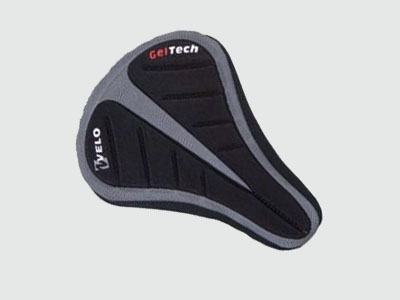
A Gel Cover or Not?
Learn how to use a Bike Seat Gel Cover and understand if it is a comfort solution for you?

Padded Bike Pants
Should you be wearing padded bike pants or padded bike underwear to help with comfort on your bike seat?

Bike Seat Sweet Spot
The position of your saddle can effect your comfort when you ride. Learn about saddle position.

Correct Pedaling
Incorrect alignment when you pedal can cause problems with comfort on your seat.
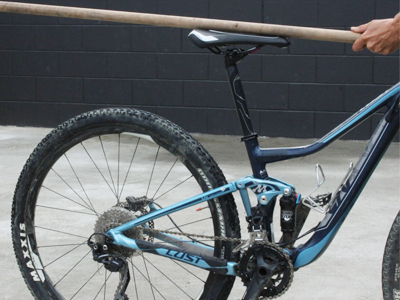
How to Adjust your Bike Saddle
Learn how to make minor adjustments to the position of your bike saddle so you improve your comfort on your bike seat.
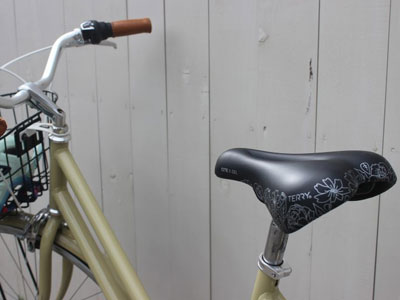
How to Break a New Saddle In
Your body needs to adjust to a new saddle… do not expect to get a new saddle and immediately be able to go for long rides.
Support and inspire other riders and families to ride
Share your riding outings, adventures and experiences on our quick and easy question and answer forms. Join us in helping others ride bikes. All entries receive a free shipping coupon and go into our seasonal prize draw.
goRide supporting women and families to SMILE when you ride
