
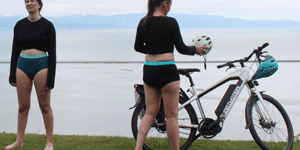

New Zealand is an extremely beautiful country and we are lucky enough to be able to get a long way into isolated, back country areas on our bikes. It can, however, put you at risk. To be safe, comfortable & confident you need to understand these risks and manage them.

Tip One – Wear a Performance Level Bike Helmet & Gloves
Wear a helmet that has been specifically designed for the type of back country riding you are about to do. Your helmet needs to offer you a high level of protection and impact absorption. Choose the protection that will give you confidence and the knowledge that you have the correct gear to ride away from immediate help.
Check out our MTB Bike Helmet Buying Guide
Gloves will offer you protection from abrasions in a fall and protection from knocks when passing close to objects on a single track. Your hands need to have a good sense of grip on the handlebars when you ride on uneven tracks so make sure the gloves are fitted, the correct size and have the coverage you want. We would recommend full finger gloves.
Check out our Bike Glove Buying Guide
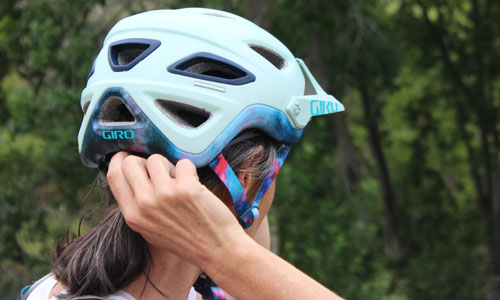
This is a intermediate to advanced mountain bike helmet.
Tip Two – Tools & First Aid
You must carrying tools when you choose to ride in isolated areas. It is a really important commitment to make to keep yourself and your group safe. You should be able to fix a punctured tyre, reconnect a broken chain or adjust a seat or brake lever. We recommend carrying;
- Tyre levers, spare tubes, mini pump/CO2 canisters and/or puncture patches
- Multi-tool with chain breaker and spare chain links
There are multiple ways you can choose to take tools with you. Seat posts bags are a popular choice. Tool wraps that can be placed in a backpack and will open up to easily display all your tools are a great idea. You need to understand how to use what you carry so if you need some help with this please see the following resources we have created;
Five Simple Bike Tasks You Should Know, The Chain Tool – How to Use It, Tools & Kits to Carry, What’s in a Multi Day Tool Kit for Mountain Biking?
Isolated riding does involve a bit of risk. Riding off road trails requires a certain skill level and is challenging. This can lead to accidents & falls. We recommend carrying at least one Touring First Aid Kit designed for outdoor use. When you choose to do any kind of isolated day riding or isolated multi-day/tour riding a first aid kit is an essential piece of gear to carry along with a emergency blanket or bag. Again it is just common sense to have basic first aid skills and knowledge of the type of injuries that might occur.
See First Aid for Biking Buying Guide.
First Aid & Emergency Kit for Bike Touring – this story includes a section on hypothermia
Tip Three – Carrying Gear
What you need to be safe depends on how far you are going over how many days. It is also about the weather and how this weather will affect your body temperature. Please see Gear List for Unsupported Multi-Day Riding
Food – Keeping your energy levels high is really important for your enjoyment and your ability to concentrate during the next phase of your riding. Always have food in easy to access places and stop regularly to eat.
Water – For more detail on staying well hydrated please read our Hydration Buying Guide and the story on Hydration – Carrying Water When You Ride. As a general guide more is better. You need to understand where your water sources will be and how often to refill your carrying system.
Clothing – Regulating your body temperature and keeping yourself dry is key to keeping safe and enjoying your ride. Layering is a great tactic. As you warm up you can take off outer layers. Or in reverse, as the weather deteriorates you can add protective layers. Fabrics that have the ability to wick & breath are important so that you and your clothing remains dry. The worst combination is being cold & wet this is why we recommend quick dry fabric or merino with breathable but waterproof outer layers. For more on hypothermia and its dangers please read this story. First Aid & Emergencies When Bike Touring
Bags for Gear – There are many different options that have been designed with unsupported riding in mind. Practice riding before you go and keep your weight low and central to be balance. Please see the story How to Carry Gear – Multi Day MTB Riding or How to Carry Gear – Multi Day Unsupported Riding
Tip Four – Protective Padding
While not a choice for all isolated riding, minimal pull on sleeve type pads will lessen the damage if a fall takes place so should be considered. There are long length pads for elbows or knees and they give your skin graze and abrasion protection.
Pads can be a good way to give you confidence when heading into areas that are a little unknown and may challenge you. We recommend whenever you feel a bit shaky to slow down and be cautious. Often the best way to manage is to walk sections of track.
See our Protective Padding Page for a full range of options
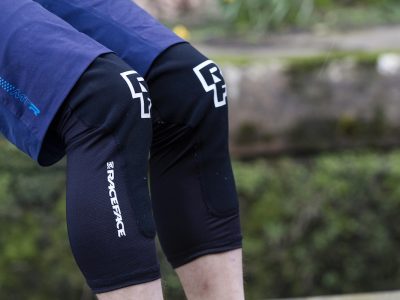
Knee pads designed for pedalling
Tip Five – Comfort & Contact Points
Your comfort while riding is a huge part of enjoying your time on the bike. It will also keep you protected & safe. There are three key points where you make contact with your bike. The seat, the handlebars and the pedals…
We have extensively covered bike seat comfort and the problems that can occur at this important contact point… View our COMFORT ON YOUR BIKE SEAT page
Your bike riding success is different to others… use our stories and support, get the right solutions.

Ride More Places
Bike Gear Stories
Women and families learning ...
Buying Guides

Solution Finder

Types of Riding Stories
Support and inspire other riders and families to ride
Share your riding outings, adventures and experiences on our quick and easy question and answer forms. Join us in helping others ride bikes. All entries receive a free shipping coupon and go into our seasonal prize draw.
goRide supporting women and families to SMILE when you ride