Many of our previous family cycling outings have shown the importance of communication.
Communication before you goRide – setting the expectations, making sure they understand what they need to keep themselves safe, outlining any rules, any details about the journey that you want the riders to know. There will be things you miss/didn’t expect/outside your control, so you will also need to communicate with your riders while out riding.
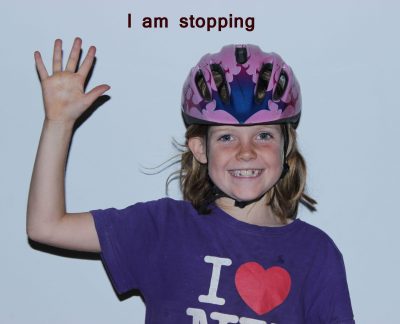
Communication while riding – You will need to give some instructions while on the bike. There will be times on the ride where you may need to re-group and discuss any issues. Sometimes if it does not pose a major safety issue, let it go while on the bike and take the opportunity to discuss it during the next stop. If you are anything like our family there will plenty of those. Every rider also needs to be able to communicate with other users of the trail or road; most commonly other cyclists, pedestrians and motorists. We can communicate with our hands, a bell (if you have one) as well as our voices. It is not always possible for the people you need to communicate with, to hear you, so that is when your hand signals become really useful. Here are some important hand signals to know.
Now the goRide families are preparing for an adventurous ride. We are going to ride a part of The Great Taste Trail over 4 days and 3 nights! Yes biking and camping two great outdoor activities mixed together and commonly known as bike touring.
Hollie is 7yrs old and has been riding since she was about 4yrs old. (Hollie’s story) She is the youngest girl in the group and will be riding assisted for the tour. She is going to be on a trailer bike behind her Dad. Though Hollie is a capable rider to help build her confidence and endurance Hollie has chosen to do this tour on the trailer bike. Her responsibility for this trip is to check that everyone understands the rules of the trail.
The Great Taste Trail is predominantly a cycle trail, though there are many places along the trail where you are required to cross a road, maybe cycle on the road to get to and from the trail, or as you detour from the trail into villages and the ice cream shop. We have identified that to “get safe” for the goRide family adventure ride the kids (and the adults) need to know and understand some road safety , shared pathway rules and etiquette, able to identify potential hazards as well as some group rules. These same safety prinicples would apply for most family cycle rides whether you a cycling for half an hour, a day or multiple days.
To follow is the story of how we “got safe” by learning the rules of the trail for our trip and a crossword (that Hollie helped put together) for the group to complete to check everyone understood how to keep themselves and our group safe while riding.
Rules of the Trail
Road Safety:
Ride single file
Stop at any road crossing, check traffic (look right, left and right again). Do not let children cross until they have checked with an adult. We encourage that the children make the decision to cross but that decision needs to OKed by an adult.
You need to travel at a safe distance behind the cyclist in front in case they stop suddenly or change direction. Use the 2 second rule. To check you are 2 seconds behind watch the cyclist in front pass something on the road or trail and count the seconds until you pass the same object. If you can count to 2 or more then you are traveling at a safe distance behind.
For further information on road safety please refer to The New Zealand Transport Agency online resource The official New Zealand code for cyclists .This resource is also available in a booklet form.
Bicycle Bells are great for track safety.
Shared Pathway and Etiquette:
On a shared pathway you need to ride on your left.
It is OK to ride more than one abreast (so side by side) if the trail or pathway is wide enough as long as when you see a cyclist or pedestrian coming in the opposite direction you make your way back to the left of the pathway.
You only overtake another cyclist on the right hand side.
Use your voice or a bell to let other cyclists, pedestrians know you are passing or wanting to pass. (See Bike Bells & Bike Lights for more information on bells or visit the Bike Bells page in our shop)
When passing pedestrians it is courteous to slow down, consider the capability of the pedestrian to determine how you go pass them.
The 2 second rule also applies between bikes on the trail.
Identifying Potential Hazards:
Choose the line you ride on the trail so you avoid any major pot holes or ruts, kerbs and stormwater grate covers
Be aware of changing terrain for e.g. gravel, sand, leaves
Be aware of objects for e.g. rocks, sticks
Young children and pets can be unpredictable so slow down when you are near them
Group Rules:
You know and understand the personalities and characteristics of the members of your group, so there may be some rules/guidelines that you would like to make sure are communicated and understood before you goRide with your group. Here are the rules that we decided as a group were important for our ride.
It is not a race. There is a long way to ride everyday. It is important to travel at a pace that you know will get you to the end.
It is a big adventure for everyone and we are a team doing this adventure together so we need to support each other and work together. There may be times when you are feeling a little tired and low and the group will support you and likewise there will be times when others are feeling low and tired and it is important that you support and encourage them.
There will be plenty of time for everyone to have a go leading while we ride, if this is important to you, if you would like a turn being a leader at anytime then let one of the adults know and we will work with you to allow you to spend some time leading the group.
If you want a printable version of the crossword to help your children get safe on the trail then click here
Though the crossword is quite simple and some of your older children may find it quite easy it is great to know that everyone understands some basic rules before you set off. You will know that you have communicated well before you goRide and it will make for a calmer more relaxed adventure.
I know my rules of the trail. Let’s goRide more places more often. Let’s goRide The Great Taste Trail.
Thanks for reading. Used together our stories and resources support you to achieve and develop as a rider.
goRide is a shared journey, so we would like you to assist in guiding it along the way. Contact goRide. Your thoughts, comments or feedback are welcome. Thank you for being a part of the goRide way.
A part of every trip, big and small, is packing. This can bring on some excitement and nerves as anticipation builds and the time draws near to leave. For me the process of getting ready is all about planning and preparation…giving myself enough time to find things, fix things, borrow things, or buy things so my mind can be at ease when we set off. This means I can focus on enjoying the ride and not have to stress when situations change as I know we are as prepared as possible.
Am I safe to goRide?
Now the goRide families are preparing for an adventurous ride. We are going to ride a part of the Tasman Great Taste Trail over 4 days and 3 nights! Yes biking and camping two great outdoor activities mixed together and commonly known as bike touring.
To follow is the story of how we “got ready” for the personal safety part of our trip and here is the link to our goRide essential personnel safety check. This check can be really simple if your ride is short, familiar and the weather is good or it can be a little more complicated like ours was. Either way this check is a routine that all people who ride should form.
AM I SAFE TO RIDE?
We choose a day about a week out from our tour and Rhea begins with her checklist. Rhea is 9 and has been riding since she was 4yrs old. She is the second oldest child in the group and will be riding unassisted for the whole tour. Her responsibility for this trip is to check our personnel safety, do this for others or make sure they have done it themselves. All of these things need to be checked at the very beginning of the tour. Some just at the beginning of each day e.g food and water. Some every time we get on the bike e.g. do I have my helmet on?
Bike & Helmet: We will be dealing with 4 bikes and 4 helmets in our family, so Rhea follows the goRide essential pre-ride bike check. She also asked each person in our family to give some feedback on anything they may have noticed lately concerning their bike or helmet. If there are any issues make a plan to get them fixed.
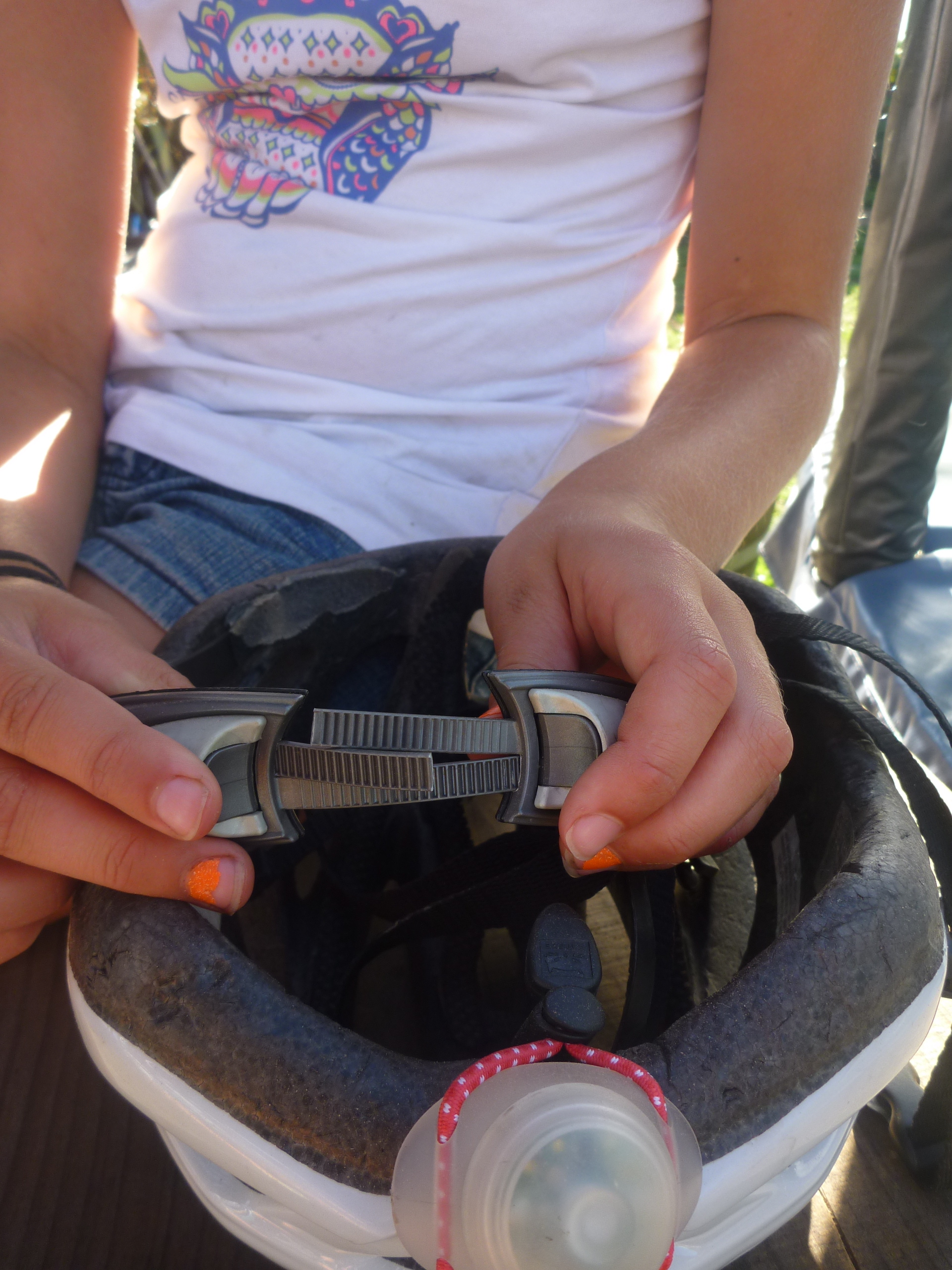
Rhea noticed the adjuster was broken.
Visibility: We won’t be on the road the majority of the time so not a huge consideration. We don’t plan to ride at night but we definitely need lights in case we are caught out so Rhea gathers our lights and checks them over – looking for flat batteries and broken attachments (See Bike Light Buying Guide for more info on bike lights).
Clothing: Choose comfortable clothes that will allow movement & stretch when biking. Shorts & leggings tend to be what the kids like to wear. Protect their bottoms with padded bike underwear (goUnders for Kids). This is important for their comfort over big days of riding.
Kit: We will carry the goRide essential tool kit with us plus extra tools as these are long rides and multi-days. Rhea decided who is carrying which tools in their kit and for one of the adults to carry a first aid kit.
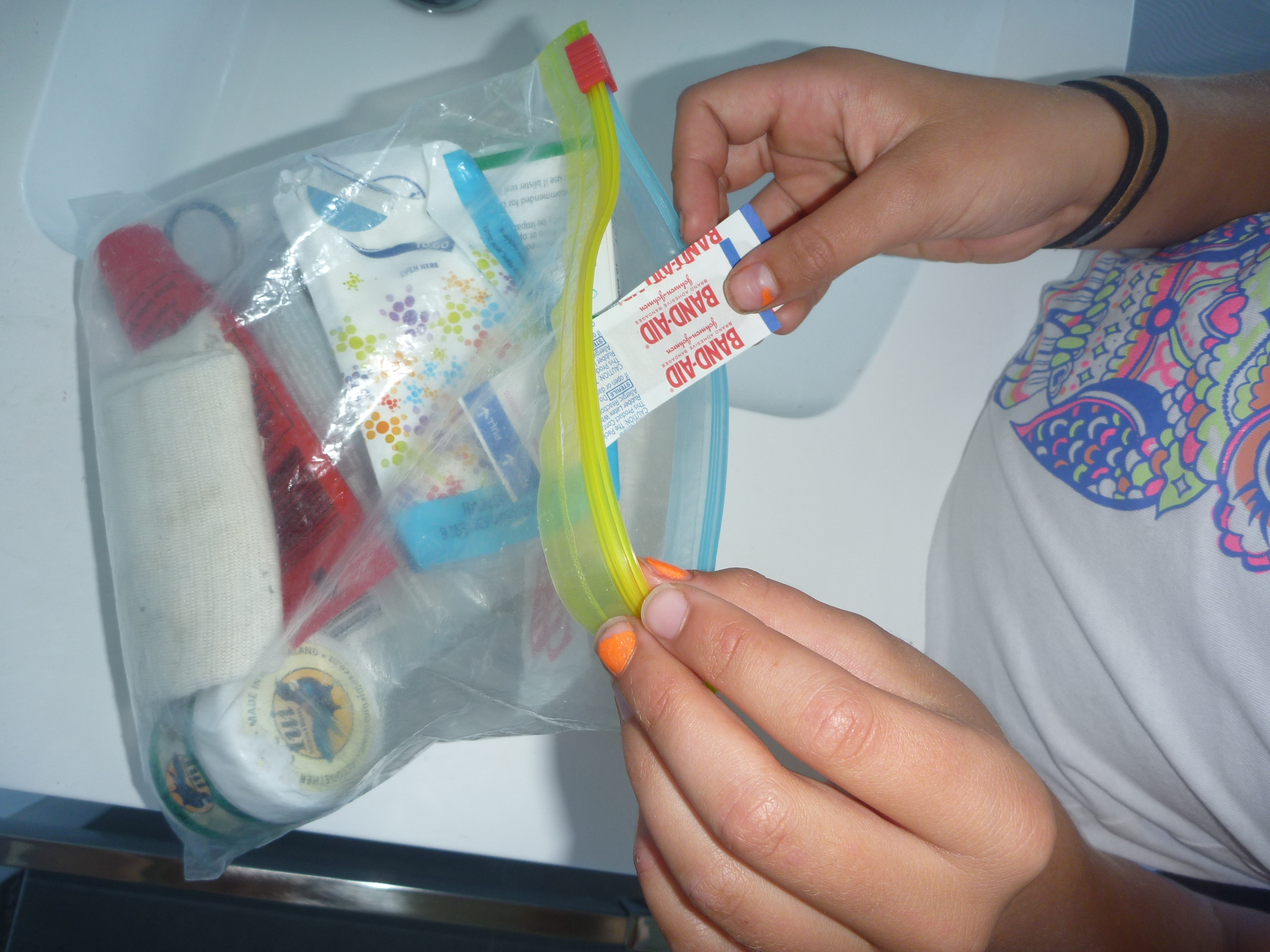
Preparing a first aid kit
Security: Two long coil bike locks to be carried. More in support car for night time security.
Water & Food: Every person needs to be carrying their own water. For the kids this involves drink bottles, while the adults can carry camel paks. Food to be carried in an adult pannier. E.g chocolate brownie, muesli bars, bananas, oranges, sandwiches.
Weather: Long days at the beginning of autumn so thermal layer & jacket to be carried. Sunscreen applied at start of day and to be carried in first aid kit.
When she has finished we created a list of what we needed to get/do/buy/fix. There are some examples in the list below.
New helmet for Rhea – one of the occipital adjusters has snapped
Rhea has noticed her brakes screeching when going down hill so she would like them looked at
Need to buy a spare 20 inch tube for Isaac’s bike
Need to add to our essential bike tool kit – small adjustable wrench, chain link, chain lube, zip ties, duct tape, multi-tool
Adding to our bike tool kit
Put new batteries in the front bike lights and add them to our kit.
Look for recipes and choose a day to bake some goodies
Looking for a yummy snack
As you get it – place it together and check your progress. We check together the night before we leave. Now the day arrives and Rhea can do a quick check knowing that she is really well prepared.
Good luck with your planning & prep. Let us know how your trip went!
goRide is a shared journey, so we would like you to assist in guiding it along the way. Contact goRide. Your thoughts, comments or feedback are welcome. Thank you for being a part of the goRide way.
Kids love to ride bikes. It’s almost a part of their DNA. We can all remember learning to ride and the fun that came with that journey. In this story you will meet 4 kids who learnt to ride a while ago. They are learning new things now and discovering the different kinds of places you can goRide. They will continue to learn as their bodies grow and their skill set grows, it’s all about ages and stages…
Like all our stories we hope to connect you to real kids and provide inspiration and motivation for you to goRide more places, more often with your kids. Enjoy your reading.
Hollie is 7 years old and lives in Nelson. She rides a Mongoose 20 inch wheel bike with no gears – this is a challenging bike for Hollie as it… read more
Isaac is 6 years old and lives in Nelson. He rides a 20 inch wheel Specialized Hotrock with 6 gears. The thing he loves the most about his bike is that it is red and it has gears – but he finds the gears really… read more
Rhea is 9 years old and lives in Nelson. She rides a 26 inch wheel mountain bike with 21 gears and front suspension – which she got about 6 months ago and it has made a huge difference to her riding enjoyment. Why?… read more
Sam is a tall 10 year old boy who lives in Nelson. He rides a 24 inch wheel mountain bike with 21 gears and front suspension – which he got for his 7th birthday. This bike is definitely too small… read more
goRide is a shared journey, so we would like you to assist in guiding it along. Contact goRide. Your thoughts, comments or feedback are welcome. Thank you for being a part of the goRide way.[/themeone_section]
Life is hectic and we often have many roles and many jobs within a day, a week, a month or a year. In all that busyness we need to make time to stop and see the special moments that are present, that exist right in front of us.
Supporting you and your family to SMILE when you ride.
Being present, being aware, seeing moments, engaging our senses, helps shape and strengthen our experiences. So when on the bike it helps shape and strengthen our riding experiences.
One of the reasons I ride is because I get to see and create those moments. A commute, a bike trip to the library or sports training or a trail in the hills can be filled with moments. Riding allows me to travel at a pace that enables me to feel, see, smell, taste and hear my surroundings and allows me to become immersed in the environment. I feel the hot sun or a cool breeze on my neck. I see the changing light the morning brings and the different shades of green of the bush. I smell the eucalyptus on a hot day and the freshly cut grass. I taste the refreshing air. I hear the river flowing, I am aware of peace and the laughter of a riding friend.
Engage Your Senses
Chi Riding is all about being aware by engaging our senses. Being aware of our body and our environment. We started off the Chi Riding series Tip 1 with learning to be aware of our riding position. Then Tip 2 was an extension of this – being aware of our core control. If we gain awareness of our bodies, if we are relaxed and working efficiently, then that relaxation and ease will allow us to open our minds. With our minds open we can then see and recognise the moments, recognise our environment. While we ride, rather than just ‘doing’ the ride, we can ‘be’ in the ride.
Why is it important?
Could you spot something you haven’t noticed on a regular ride or trail, or note how it looks different at different times of the day? Could you ride something new and take notice, be present, be in the now, awaken and engage all your senses?
On a bike we have so much more opportunity for these kinds of experiences. When you are relaxed and confident, thoughts and feelings will come to you and make you smile. This is the very reason why so many people love to ride their bike.
Your bike riding success is different to others… use our stories and support, get the right solutions.
Incorrect alignment when you pedal can cause problems with comfort on your seat.
Support and inspire other riders and families to ride
Share your riding outings, adventures and experiences on our quick and easy question and answer forms. Join us in helping others ride bikes. All entries receive a free shipping coupon and go into our seasonal prize draw.
The goRide women profiles tellstories about everyday women who ride bikes. These stories will connect you to real women and perhaps spark an idea about what you could achieve with your riding or remind you what you have done. We are all on a journey, regardless of whether you are beginning or an experienced rider, so be open and curious and see what happens. Lets begin to build a stronger you and a stronger riding community. Enjoy your reading…
RIDING WORD – ALIVENESS
When did you learn to ride and why do you still ride?
My first set of wheels…when I was 5 years old my school had a raffle for a secondhand red tricycle. I went home to explain that I needed threepence to enter the raffle for the red tricycle that I was going to win. And I did win! An early memory of riding is dragging a 3 geared Raleigh up a grassy hill at the back of Portsmouth to speed down to the villages behind. That was the start of a love of downhills. I still ride because I want to live life to the full and be as active as I can for as long as I can. I love the speed of biking, walking can be a bit slow and in a car you are too enclosed everything goes by too fast, you don’t get to engage the senses, be with nature and the environment.
What kind of biking do you do…mainly commuting with the occasional fun ride in the hills thrown in when I have time. I commute to and from work. I have a bit of a rule as long as I can fit it on the bike then I ride. That is, it needs to fit into my two panniers. Sometimes you just have to take the car and that helps to keep the car battery working so you don’t end up with a flat battery like I have now. I often change the route that I commute, add in a few hills, a change of scenery. It just keeps it interesting and keeps me fit.
Your Favourite Piece of Bike Equipment. My bright yellow slap bands. They are VISIBLE and keep those trouser legs under control and away from the chain on those winter commuting days.
Do you have a biking tip or piece of advice that you would like to share?
I often walk a trail first before I ride it. That way I get to enjoy it from a walkers perspective and I can decide whether I want to ride it. I can answer questions like can I be safe on this trail, do I have the skills, will I enjoy it?
There are downsides to riding when you start out – you’re uncomfortable, tired, or there may be a relentless headwind. There can be tears, frustration, fear but all these things means you are rewarded with stamina, endurance, perseverance, achievement and resilience.
What, if any, are your frustrations with riding? Personally and generally.
Equipment. Just not understanding equipment enough to put things right myself and back wheel punctures. Also having the strength to get the tyre over the rim and back in place . Arrhh (through gritted teeth).
What is your favourite ride now?
Usually, on any ride, the special moments you get. The exhilaration of riding downhill like on the railroad reserve on my commute to work.
What is your favourite ride from the past?
I get moments of inspiration from every ride. Some memories and moments that have stayed with me.
On a trip in England, it was getting late, I was unsure if I was on the right route, riding through a tunnel of trees – quite beautiful
A borrowed bike and riding trails in Tanzania and Kenya.
A six week bike trip of the South Island, the need to get to Franz Joseph, I was tired, the hills, the undulations, the windiness, the scenery, the whooping descent into town. Wow.
Do you have a riding goal at the moment? (think equipment, skills/technique, rides)
Now: Keep riding, keep fit and active
Future: I want to do more rides, just not sure what at the moment, so as long as I keep fit and active my options are wide open.
Thanks for reading. Used together our stories and resources support you to achieve and develop as a rider.
goRide is a shared journey, so we would like you to assist in guiding it along the way. Contact goRide. Your thoughts, comments or feedback are welcome. Thank you for being a part of the goRide way.
Using your core is an essential part of Chi Riding. Let’s have a look at Tip 2 which covers all you need to know about your core muscle group and how they affect your bike riding.
Supporting you and your family to SMILE when you ride.
To use core muscles when you ride takes a conscious effort (at least until you become very proficient at it). In fact, your body seems to find it is far easier to ride without using or using only some of your core. However with a little patience, time and practise you can learn to use core muscles when you ride and gain the benefits and efficiencies of doing so.
Learn about your ‘A’ Riding Position and then let’s get some understanding of the importance of the core muscles in supporting and maintaining this position.
Your core muscles are the key muscles that enable you to achieve an ‘A” Ridng position and maintain this position through out the duration of the ride.
So what is Core Strength? Core refers to our centre, like the core of an apple, Our core is our mid region, the region that links our arms and legs. When we talk of core strength, core control or core stability we are referring to the strength/control/stability of this mid region. Being able to keep this region in a good position over a period of time.
As a rider it means having control of your mid region so you can achieve and maintain the “A” riding position.
What happens when you don’t have sufficient core strength/stability/control to maintain your ‘A’ Riding Position?
Your spine with collapse (slightly forward or backwards) causing increased load and compression on tissues and structures that are not designed to take this load. Over time this is likely to result in discomfort.
What muscles are involved in core control?
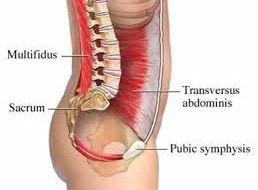
Do you remember the crunchy epidemic? Thankfully we now understand that there is far more to abdominals than attempting to gain a six pack (like that was ever achievable). One of the key roles for our abdominals is the stability and control of our mid region. We have four different abdominal muscles the deepest one, Transversus Abdominus, plays the biggest role in stability and control of your centre. Along with some other muscles (as shown in the diagram) these muscles form the core muscles. These core muscles are deep, that is they are close to the spine so they have the greatest ability to control its position.
They are not big powerful muscles but rather designed to be able to work for long periods of time. This means they are able to keep your mid region in a good position, in that “A” position and stable throughout your ride.
How do we achieve use of our core muscles when we ride?
Step One – You need be in the correct riding position. The “A” riding position.
In Tip 1 of the chi riding series we talked about the “A” position where both the upper and lower back is straight, not rounded. This “A” position puts you in the correct position to allow you to activate/use your core muscles. See Chi Riding – Tip One – Riding Position.
Step Two – You need to maintain this “A” position throughout your ride.
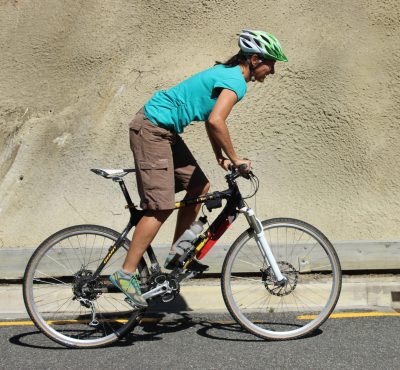
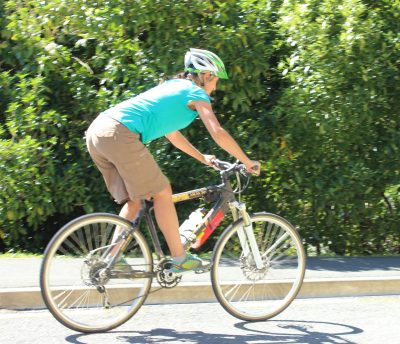
That is both when seated (3 points of contact with the bike) and when you are off the seat (2 points of contact with the bike). We achieve this by keeping our mid region stable and moving the other parts of our body – our elbow, wrist, hip, knee and ankle joints – to keep balanced when biking. In the photos below we see the mid region is stable it remains in the same position (one side of the A) and the position changes happen at the hip, knee, ankle, shoulder and elbow joints when performing different skills.
Step Three – Being aware of the correct riding position, maintaining this correct position, as you perform different bike skills. Learn to be aware of what it feels like to activate/to work your core muscles. You will be amazed, by just being aware, what you will notice and the small changes you will start to make.
You can do some training off the bike to help teach your body and brain about how to activate your core muscles and work to strengthen these muscles. There are many resources to help you achieve this. A few suggestions include; videos and information online, Pilates, Tai chi, Yoga and some gym classes. Others include books and personal trainers. Whatever method you choose, ask questions and make sure to include your biking goals.
Why is it important?
The importance and benefits of core control goes well beyond the bike. Core control is essential when moving your body. It doesn’t matter what the task is, we need core control to be able to complete the task with ease, efficiency and without causing discomfort.
On the bike having good core control;
Will help ease general discomfort and more specifically lower back/pelvic discomfort. We have big powerful muscles in our legs that drive our pedaling (our pedal stroke) and this stroke will only work efficiently if we have good core control. In fact these big muscles will cause all sorts of horrible shearing forces on your low back and pelvis if you are asking them to work really hard or over a long period of time without good core control.
Allows both your upper limbs (arms) as well as your lower limbs (legs) to be relaxed and not carry any tension when you ride. However, having relaxed limbs doesn’t automatically happen because of good core control, it only provides the platform. There are two elements here engage your core and relax your limbs, let them be loose. In Tai Chi they talk about having empty hands, both your hands and your feet need to be light and empty. What? But I need to have contact with the bike; my hands on my handlebars and my feet on the pedals. Yes, but we are saying you can still have contact and not carry tension.
Relaxing your limbs allows you to move them freely and transfer different proportions of weight through your arms or a single arm or your legs or a single leg, when you ride. This ability to transfer your weight between your limbs as well as move them freely is essential for balance. It allows you to manouvere and change the position of your body and/or your bike so that you can maintain balance when you ride. This may mean simply transferring your weight forward following braking to dismount your bike or leaning the bike when cornering on the trail. Whatever the riding task, balance is the primary skill required to be able to ride your bike. Having good core control and loose limbs will help keep us on our bikes as we start to challenge ourselves in different riding environments.
It will help you achieve bike seat comfort by encouraging the correct parts of your body to bear the sustained weight of your body when sitting on your bike seat – structures and tissues that are designed to be better at taking this weight.
Improved riding efficiency as core strength allows your big powerful muscles in your legs, that drive your pedalling, to work better.
Your bike riding success is different to others… use our stories and support, get the right solutions.
Incorrect alignment when you pedal can cause problems with comfort on your seat.
Support and inspire other riders and families to ride
Share your riding outings, adventures and experiences on our quick and easy question and answer forms. Join us in helping others ride bikes. All entries receive a free shipping coupon and go into our seasonal prize draw.
It doesn’t matter whether you spend a long time or a short time on your bike seat, either way when you do sit on that seat it should be comfortable. You need to find your bike seat “sweet spot”. A saddle position that will help support your comfort.
Supporting you and your family to SMILE when you ride.
There are a variety of adjustments to the position your saddle is set in that you can make to help support comfort when you ride. These include Alignment, Height, Tilt and Reach. Some, like alignment are defined, others are more individual. You will need to try and understand what position supports your comfort in the best way.
Alignment.
You need to align your bike saddle so that it sits perfectly in the ‘middle”. This means that when you look down at your bike seat the middle of the nose of the saddle should be in the middle of the top tube of your bike frame.
How should it feel? You should be able to sit on your seat and not feel pressure on one side more than the other. You should feel like you are sitting evenly on both sides of the seat.
Deviation from this alignment, even very slight, will increase pressure on tissues and structures that aren’t supposed to be taking pressure. It is very easy to bump your saddle out of alignment and, if you have a slightly stronger side, pedalling can pull your saddle out of alignment. You will need to regularly check alignment… before you go for a ride or if you are feeling an overload of pressure on one side.
Saddle Height.
You are looking for a height where you have a slight bend in your knee. If you are a numbers type of girl you are going for a 25 to 35 degree bend from a straight leg i.e when your foot is at the bottom of the pedal stroke. A good trick is to set the height of your seat so that your leg is perfectly straight when the heel of your foot is on the pedal at the bottom of the pedal stroke. When you then position your foot on the pedal as you would normally to ride (that is the ball of your foot on the pedal) – this should have created a slight bend in your leg and a comfortable height to ride at.
How should it feel? You should be stable and comfortable in your seat when pedalling – no rocking your hips from side to side – and your leg should be “nearing” straight at the bottom of your pedal stroke. Trial a new height and see if it makes a difference to your comfort.
Note: It is also a myth that you should be able to touch the ground with both feet while seated on the bike but with that said some people prefer to be able to do this and most children need and want to be able to do this. Read our story about getting up off your seat to help you with the idea of raising your seat height.
Tilt of the Saddle.
You are looking for a tilt that is neutral (horizontal) or slightly nose down. Women tend to find comfort with a 2-3 degree forward tilt. The tilt of your seat affects where your body makes contact with the seat so you want to feel as though the majority of your body weight is going down through your sit bones (the bones you can feel when you sit on your hands) and not through your pubic bone, soft genital area or onto your handlebars.
How should it feel? You should be stable and comfortable in your seat and not feel like you are pushed to the back or onto the front of the seat. There should be no feelings of compression in your genital region and any tenderness from a long ride should be felt on your bones. Do you feel like your hips are in a position that your body can maintain with ease? Remember we don’t want constant shifting around. Trial a different tilt and see if it makes any difference to your comfort.
Reach to the Handlebars.
Underneath your seat are seat rails and you can move your seat forward or back along these rails. This moves the seat closer or further away from the handlebars therefore affecting your reach. It also affects the angle your leg drops down – the relationship between your hip and your ankle.
How should it feel? You are looking for a placement that feels right for your body shape (length of your back) and the type of riding that you enjoy doing (competitive vs cruising). You want to feel like your leg is over your pedal and giving you good power. Please read Chi Riding – Pedaling
When your seat reach is not right it is fairly obvious as you will have the sensation of over-stretching (handlebars too far away) or being cramped (handlebars too close). If these sensations are not fixed with the small adjustments that you can make to your saddle, you may have to look into your bike frame size or your handlebar stem (these are bike fit issues).
The height, tilt and reach set up of your bike saddle will affect how the weight of your body is transferred down through the bike when in your riding position. So if this weight is not going down through the body parts that are designed for this – this can effect your comfort. We all have different bodies that have totally different histories of use. You may or may not have good movement in your lower back, hips, hamstrings or knee joints. You may have a strong dominate side. These are all things that influence the perfect saddle position, so a set up that is comfortable for one person may not be for someone else. Learn how to make small adjustments to your saddle so you can find your bike seat sweet spot.
Your bike riding success is different to others… use our stories and support, get the right solutions.
Comfort on Bike Seat - goRide Stories and Support
View our full range of stories and support on bike seat comfort.
GUIDE: Bike Saddle Comfort
Learn your options and how you can find comfort on your bike seat
Womens Bike Saddle Buying Guide
What is the best womens bike saddle for the type of riding you do? There are many factors to consider. Use our Buying Guide to get the right bike saddle.
Mens Bike Saddle Buying Guide
What is the best mens bike saddle for the type of riding you do? There are many factors to consider. Use our Buying Guide to get the right bike saddle.
Sit Bone Aches & Pains
Are you comfortable on your bike seat? Do your sit bones ache after riding? Read our story for a better understanding of this common problem.
Do you suffer from soft tissue compression? Learn why and what you can do to reduce the discomfort.
What saddle for my e-bike?
Are you comfortable on your E-bike seat? Read our story and understand how you can improve your experience.
How to Attach your Bike Saddle
Use goRide’s guide & video on how to attach your new bike saddle to your bike.
Ride More Places
Read stories about NZ trails, tracks and parks. Find out what other families and riders are doing. Be inspired! Is this ride an option for you or your family?
Want more from your riding?
Be supported to Ride as a Family, Progress Your Riding and/or receive Seasonal Inspiration. So you can SMILE when you ride.
Whether you ride for sport, recreation, or a means of transport there are a range of clothing options available to you that are designed to meet the demands of biking. Some of you may choose a wardrobe full of riding specific clothing, others may have just one piece. But there is one must have item – a chamois (padding) that is sewn into bike underwear, bike pants or liners at the point where you make contact with the seat.
Supporting you and your family to SMILE when you ride.
It is all about comfort and protection at the contact point of your bottom on the bike seat. This is important no matter what type of rider you are and particularly important when you begin to ride for longer distances, more frequently, or you have issues with tenderness. This contact point has a lot of weight being transferred through it. These forces as well as sweating in this region can cause you problems so let’s get the right padding solution for you so you can find your riding SMILE.
You do not want a one size fit all chamois – a lot of design work has gone into the padding (chamois) to make sure you get the best possible outcome for the type of rider you are
Wearing padded bike underwear or pants will help you enjoy your riding by helping you be more comfortable on your bike seat. This improved comfort can support you working towards increasing your time on your bike by allowing you to ride further or more often .
Variety of Chamois ( padding) sewn into underwear or pants
How to wear your padded pants or underwear
If you are choosing to wear padded bike underwear this may seem a funny question but not so if you choose padded lycra bike shorts. Let me clear the air on a question many people are too afraid to ask… Do you wear undies under your padding? No. What? Why? Because the seams on your undies are the very things that can cause rubbing and chaffing leading to saddle sores. The chamois is also designed to wick away sweat and moisture from the area… so the chamois needs to be the point of contact….it needs to be next to your skin.
If you choose to ride in padded underwear ( goUnders) then you choose everyday or actvity clothes to wear over your underwear You do not wear padded lycra pants over your goUnders. You only need one lot of padding. Having too much bulk is likely to create issues
If you choose to ride in lycra bike pants like our 3/4 pants then you wear no underwear. The 3/4 pants and the chamois that is sewn in sits directly next to your skin. You do not wear your padded underwear (goUnders) under your lycra bike pants. You only need one lot of padding. Having too much bulk is likely to create issues
If you choose to wear a liner under bike specific shorts the chamois sewn into the liner is worn directly next to your skin
Whatever is holding that chamois in place, bike underwear, lycra bike shorts, or liners they need to be firm and stretch onto you. Well that padded bit – the chamois – needs to provide its cushioning in all the right places so to be held in position it needs to be tight but not restricting. So a stretchy fabric is essential.
You may be wondering whether children need padded bike shorts? Again it’s all about comfort and protection so it depends on the length of their rides and the frequency of riding. If you are considering riding some of the fantastic NZ Cycle Trails with the kids, like to ride regularly or want to go on family biking holidays, then get them a pair of goUnders for Kids. Like adults children enjoy wearing clothing that is designed for a specific task and if riding is their main sport padded riding pants should be considered part of their uniform.
Things you need to consider for a good chamois (padding) match.
If you are a women the chamois will need to be women specific. The placement, shape, areas of altered thickness in the padding as well as the width and length are all designed to match our women specific structures and the pressure on those structures. We are different to males so do not settle for a chamois that is designed for a male.
The other variation to consider is the length of time spent on the bike in one ride. The thickness and materials used vary depending the length of time you spend on the bike. Common categories are up to 1hr, 1-3hrs, 1-5hrs and 5hrs+.
Kids also need kid specific chamois to fit their smaller structure.
The quality of the chamois will affect its ability to absorb the forces as well as breath and wick away moisture. These are all important to the success of the product to provide comfort and protection. Therefore it is best that the chamois is produced by a proven company.
What is the bike saddle solution for you? Your success is different to others… use our stories and support, get the right solution
Comfort on Bike Seat - goRide Stories and Support
View our full range of stories and support on bike seat comfort.
GUIDE: Bike Saddle Comfort
Learn your options and how you can find comfort on your bike seat
Womens Bike Saddle Buying Guide
What is the best womens bike saddle for the type of riding you do? There are many factors to consider. Use our Buying Guide to get the right bike saddle.
Mens Bike Saddle Buying Guide
What is the best mens bike saddle for the type of riding you do? There are many factors to consider. Use our Buying Guide to get the right bike saddle.
Sit Bone Aches & Pains
Are you comfortable on your bike seat? Do your sit bones ache after riding? Read our story for a better understanding of this common problem.
Do you suffer from soft tissue compression? Learn why and what you can do to reduce the discomfort.
What saddle for my e-bike?
Are you comfortable on your E-bike seat? Read our story and understand how you can improve your experience.
How to Attach your Bike Saddle
Use goRide’s guide & video on how to attach your new bike saddle to your bike.
Ride More Places
Read stories about NZ trails, tracks and parks. Find out what other families and riders are doing. Be inspired! Is this ride an option for you or your family?
Want more from your riding?
Be supported to Ride as a Family, Progress Your Riding and/or receive Seasonal Inspiration. So you can SMILE when you ride.
To achieve comfort on a bike seat your bike saddle must match you as a rider. Let’s work out your rider profile so we can help match you to the perfect bike seat.
The design of bike saddles has evolved. There are now many different types of bike seats on the market. Variations in size and shape of the saddle, a wide range of technical materials used and differing focus of support and/or cushioning. This precision and development has resulted in a much more comfortable ride but you only get these benefits if you get the right saddle for your body and your riding.
To find the right saddle you need to understand yourself as a rider by defining the following:
Your bodies riding position – the degree of lean you ride in.
What your level of riding is or is going to be. Recreation, endurance or performance riding.
Gender issues – the width of the saddle and space for genitals becomes more important the longer you are on a bike saddle.
Where you ride.
Specific discomfort issues you may have
We have called this Your Rider Profile. Once you have completed your rider profile, you can begin to make your saddle choice.
Your Rider Profile.
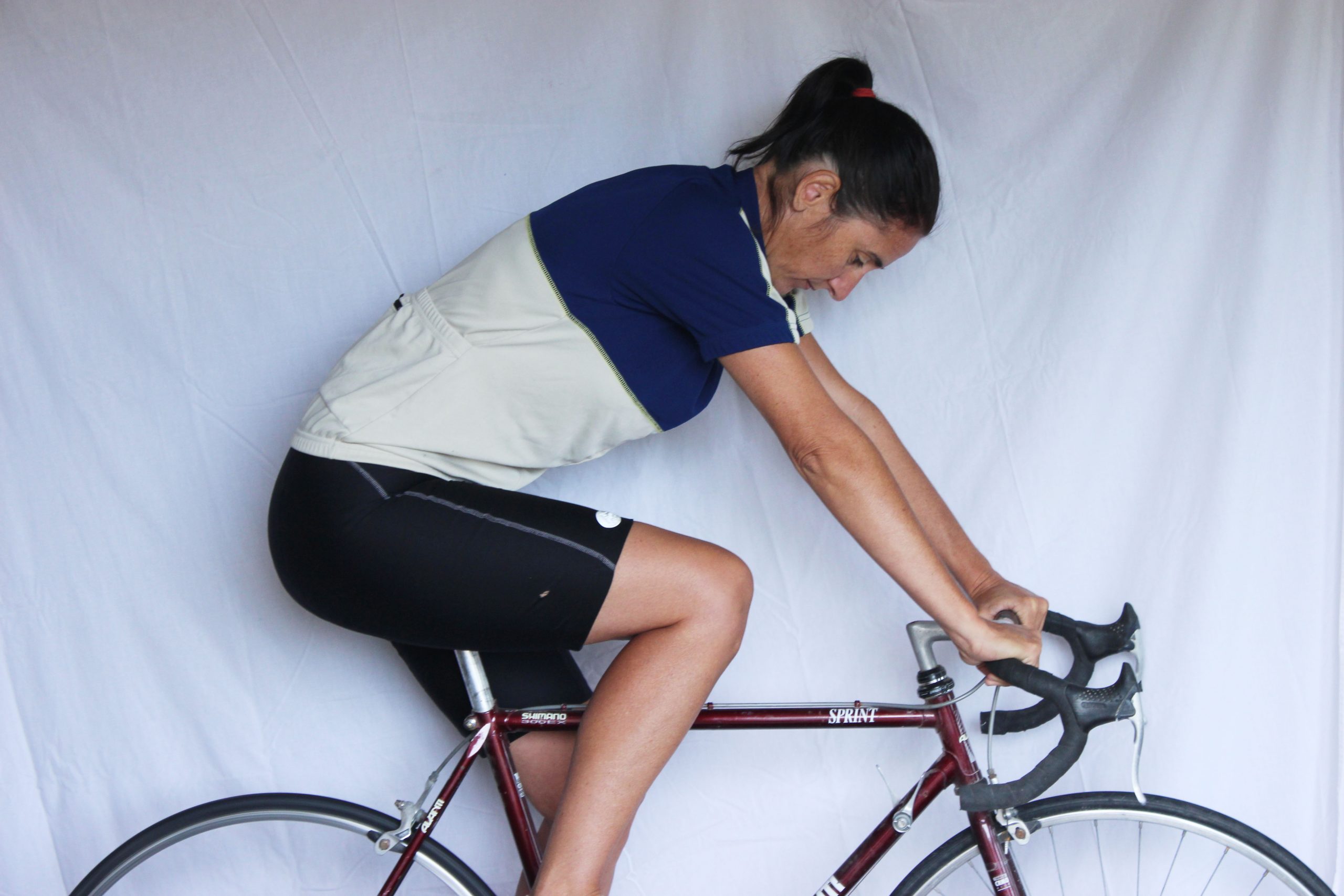
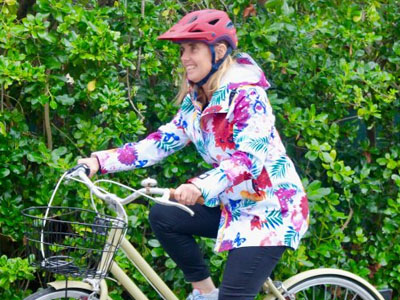
Body Position on the Bike – Different types of bikes put your body in different riding positions. Bike seats have been designed to have the right support and cushioning in the right areas based on your riding position. From a fully upright rider where the proportion of weight and pressure is absorbed at the rear of the seat to a forward bend riding position where the weight and pressure is transferred more forward on the seat into the soft tissues.
What body position do you spend most of your time in on the bike?
Are you an upright rider or do you ride with a forward lean? If yes then how much lean do you have?
We have categorised our saddles into 3 levels dependent on the riding you do. Determine which group relates to you. Recreation, Endurance, Performance Rider
Recreation Saddles... match to a casual lifestyle rider who enjoys up to an hour ride times. May do regular short commuting/town riding on a bike. Can be a new rider or returning to riding after a long break.
These are soft, supportive saddles.
Endurance Saddles... match to a fitness lifestyle rider. May choose longer rides and/or rides regularly. Your body may be used to or adapting to spending time on a bike saddle. Can be working towards a multi day ride or spending more time on your bike.
These are cushioned, supportive saddles.
Performance Saddles... match to a consistent rider whose body is used to and comfortable spending time on a saddle. Can be a regular commuter, do regular long trainings or working towards long days for a multi-day ride.
These are firm, supportive saddles.
Gender – Width/Channels – The main difference between a mens and womens saddle is that a womens saddle is generally wider through the rear. This matches to anatomical difference (women often have a wider pelvis than men). However, we are all different and a more accurate way to find your perfect saddle match is to understand the width of your own pelvis. Learn more in our story on Bike Seat Width. The space or room for genitals will also be different between a mens and womens saddle so if you have any issues towards the front of your body you will need to have a channel or cutout in the right place. See section 5 for help with Soft Tissue Compression.
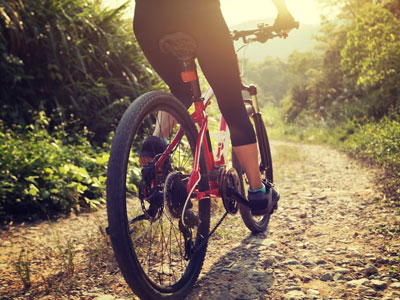
Where you ride – What places do you enjoy and plan to ride in?
Town – riding in urban environments on smooth sealed surfaces often for transport or commuting
Bike Path – smooth sealed biking paths
Trails – Gravel/Country Roads – trails that are not sealed and are bumpy to ride on
MTB – Mountain Biking/Backcountry, off road trails that have varied and often narrow (singletrack) terrain including tree roots and rocks.
Road – On road, sealed surfaces, training and distance
Comfort Focus – Do you feel discomfort in a certain area of your body when you ride. The most common complaints are:
There can be several reasons for discomfort on a saddle and you may feel more than one of these areas when you ride. The design or features of a saddle will focus on solving certain discomforts.
Make your saddle choice…
With the information gained from Your Rider Profile visit the Saddle Page that matches saddles to the information outlined in your Rider Profile
Having some support to guide you in your Bike Seat Comfort journey can make all the difference to your riding and your riding enjoyment. Have an online Bike Seat Comfort Consultation. Simple online one on one support provided by women who understand. Take a step and Click the button to learn more.
Comfort on your bike is important to enjoying and getting the most out of your riding. Achieving a good body position on your bike is an important part to achieving comfort when you ride.
SMILE when you ride.
To help you achieve a good riding position we are going to introduce you to the ‘A’ riding position. When riding be aware of your position and work to acheive a good position throughout the duration of the ride. You might be surprised what you learn.
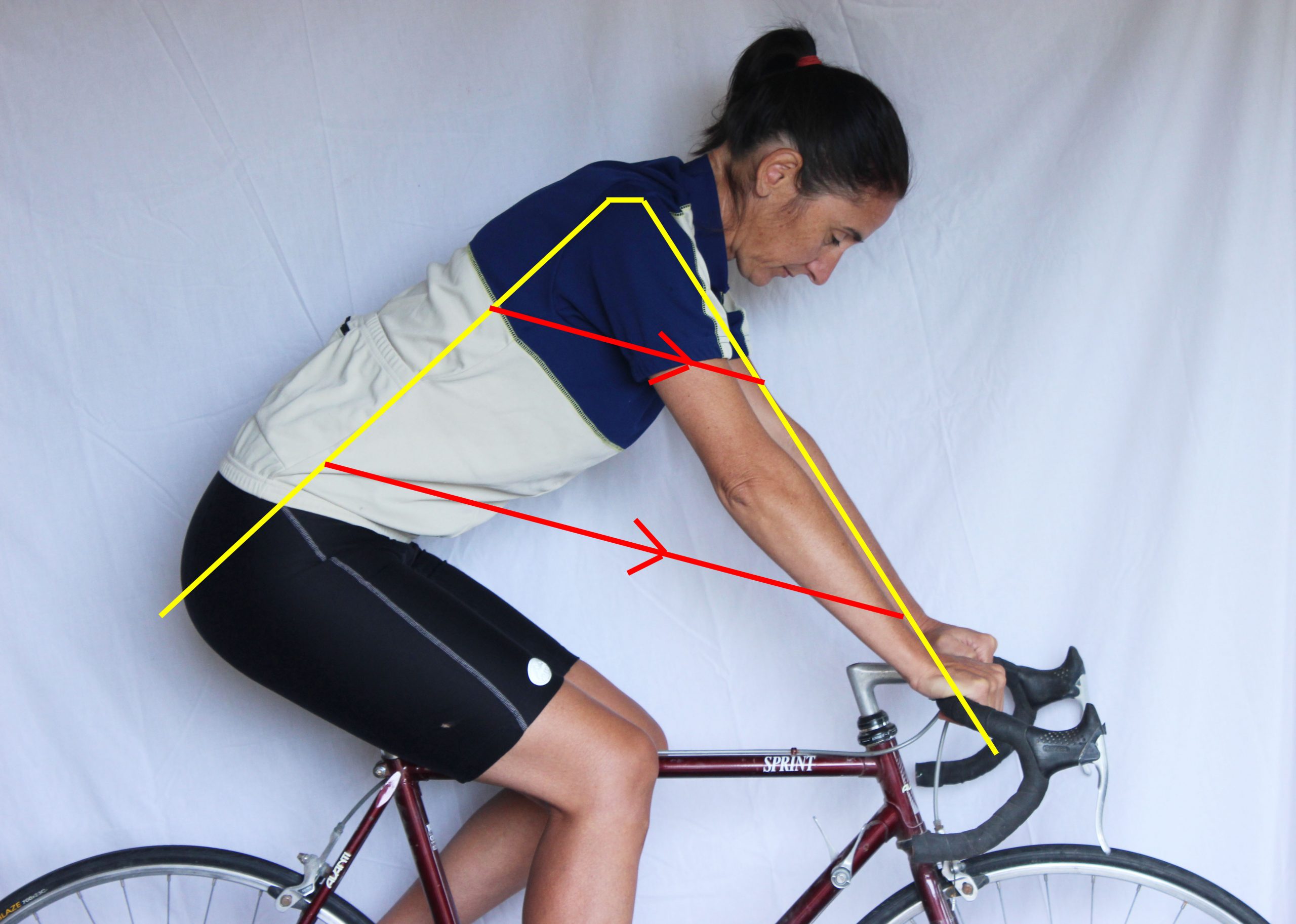
Your ‘A’ riding position will look slightly different due the degree of lean you are in on the bike. The photos show Annette in a mid lean position of about 45 degrees. Many riders ride more upright than this and therefore their A will look slightly different but the principles are the same what ever your degree of lean is.
The ‘A’ riding position
The yellow lines are the parts of your body that make up the ‘A’.
Your back (1 side of the A).
Your shoulders (the top of the A).
Your arms (the other side of the A).
The red lines are the connection the relationship between the 2 sides of the A.
Step One to a good riding position is acheiving the position.
Your body parts
Your back – you want your upper and lower back to be straight like the side of an A. Make this side as long as possible by straightening and lengthening out your back.
Your shoulders – should be flat so your shoulders need to be relaxed down
The arms – should be relaxed, you want to have soft elbows, and a relaxed grip.
The relationship between the 2 sides of the A
think of the sternum or breast bone and the lower back as the horizontal line in the A that connects with both sides. Think of the breast bone and lower back moving slightly towards the arms (the opposite side of the “A”). This will help open up your chest.
Now your ‘A” may look slightly different than that shown in the photo because your bike set up will differ. For example, you may ride in a more upright position however the principles do not change. YOU need to work at achieving the ‘A’ position on your bike set up.
See photo for common changes in riding position that take you away from achieving your A. Rounded back, elevated shoulders and locked elbows.
A riding position
Common incorrect riding position
Step Two to a good riding position is being aware of this position when you ride and trying to maintain it throughout your ride. Improving your riding position takes patience, time and practice. Enjoy working towards it. You will enjoy the benefits when you ride as well as supporting your health and wellbeing.
Check out our Riding Position Video to understand more about your ‘A’ Riding Position.
Your bike riding success is different to others… use our stories and support, get the right solutions.


 Many of our previous family cycling outings have shown the importance of communication.

 Now the goRide families are preparing for an adventurous ride. We are going to ride a part of The Great Taste Trail over 4 days and 3 nights! Yes biking and camping two great outdoor activities mixed together and commonly known as bike touring.
 Hollie is 7yrs old and has been riding since she was about 4yrs old. (Hollie’s story) She is the youngest girl in the group and will be riding assisted for the tour. She is going to be on a trailer bike behind her Dad. Though Hollie is a capable rider to help build her confidence and endurance Hollie has chosen to do this tour on the trailer bike. Her responsibility for this trip is to check that everyone understands the rules of the trail.

 A part of every trip, big and small, is packing. This can bring on some excitement and nerves as anticipation builds and the time draws near to leave. For me the process of getting ready is all about planning and preparation…giving myself enough time to find things, fix things, borrow things, or buy things so my mind can be at ease when we set off. This means I can focus on enjoying the ride and not have to stress when situations change as I know we are as prepared as possible.


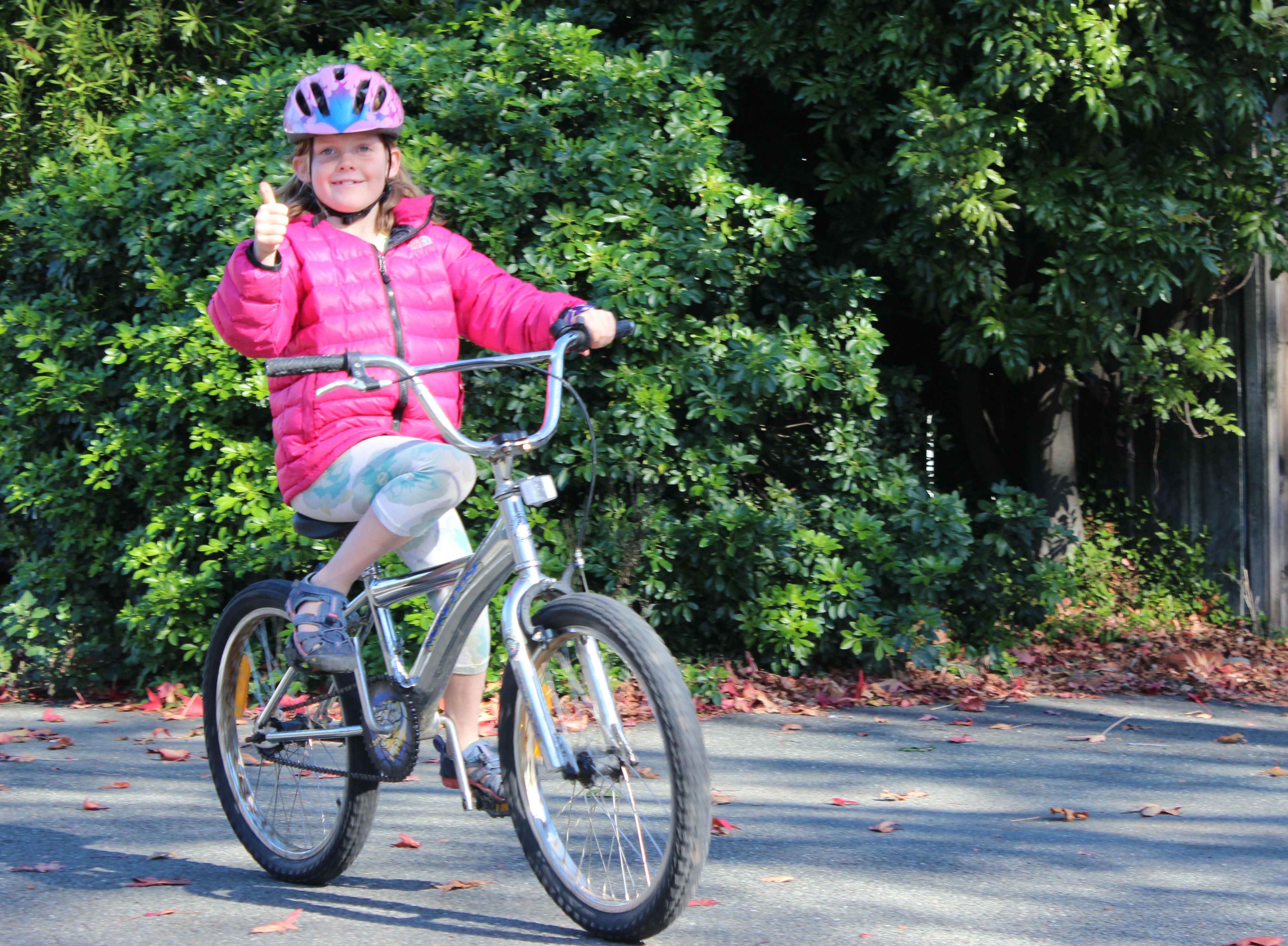


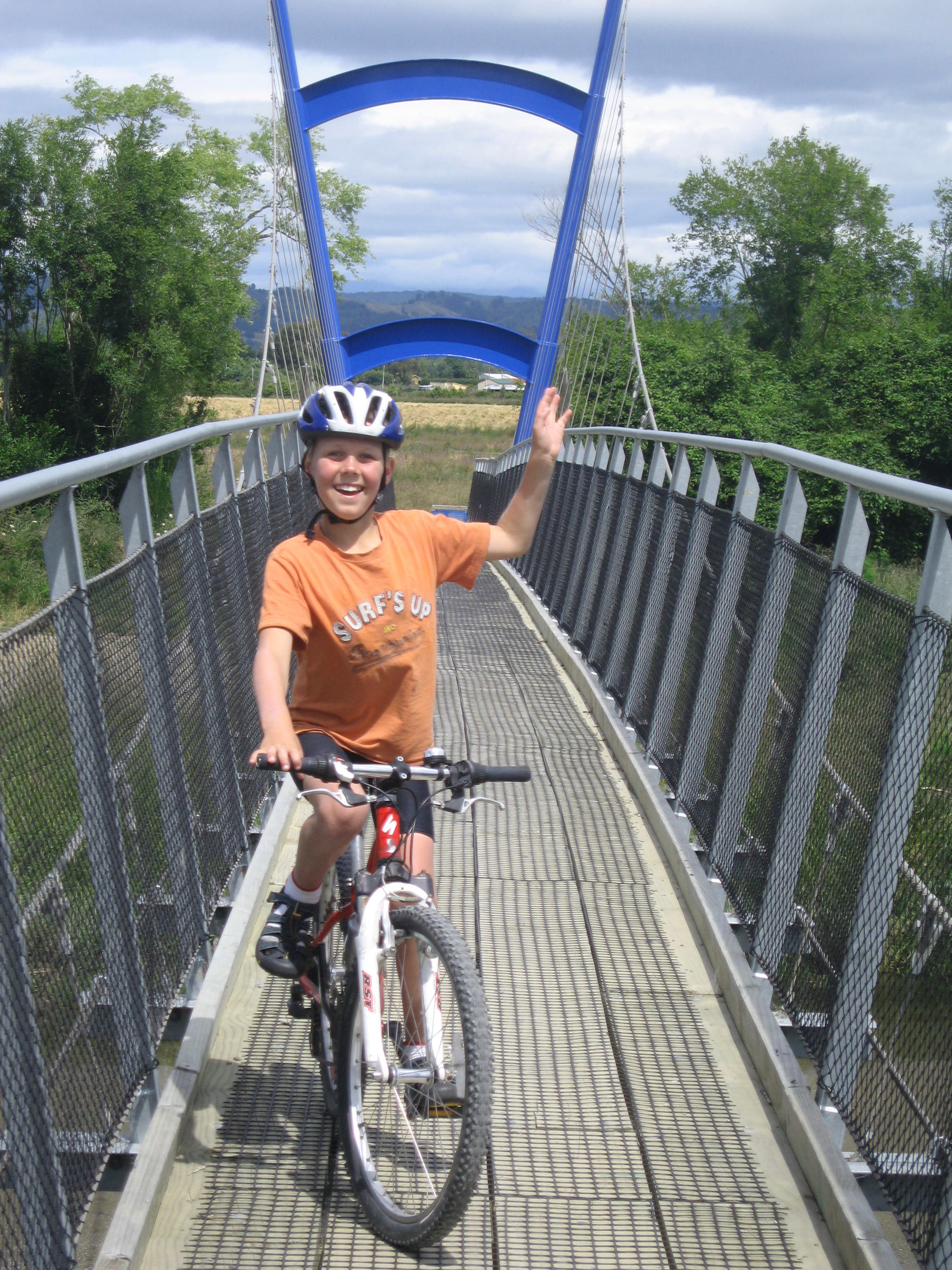




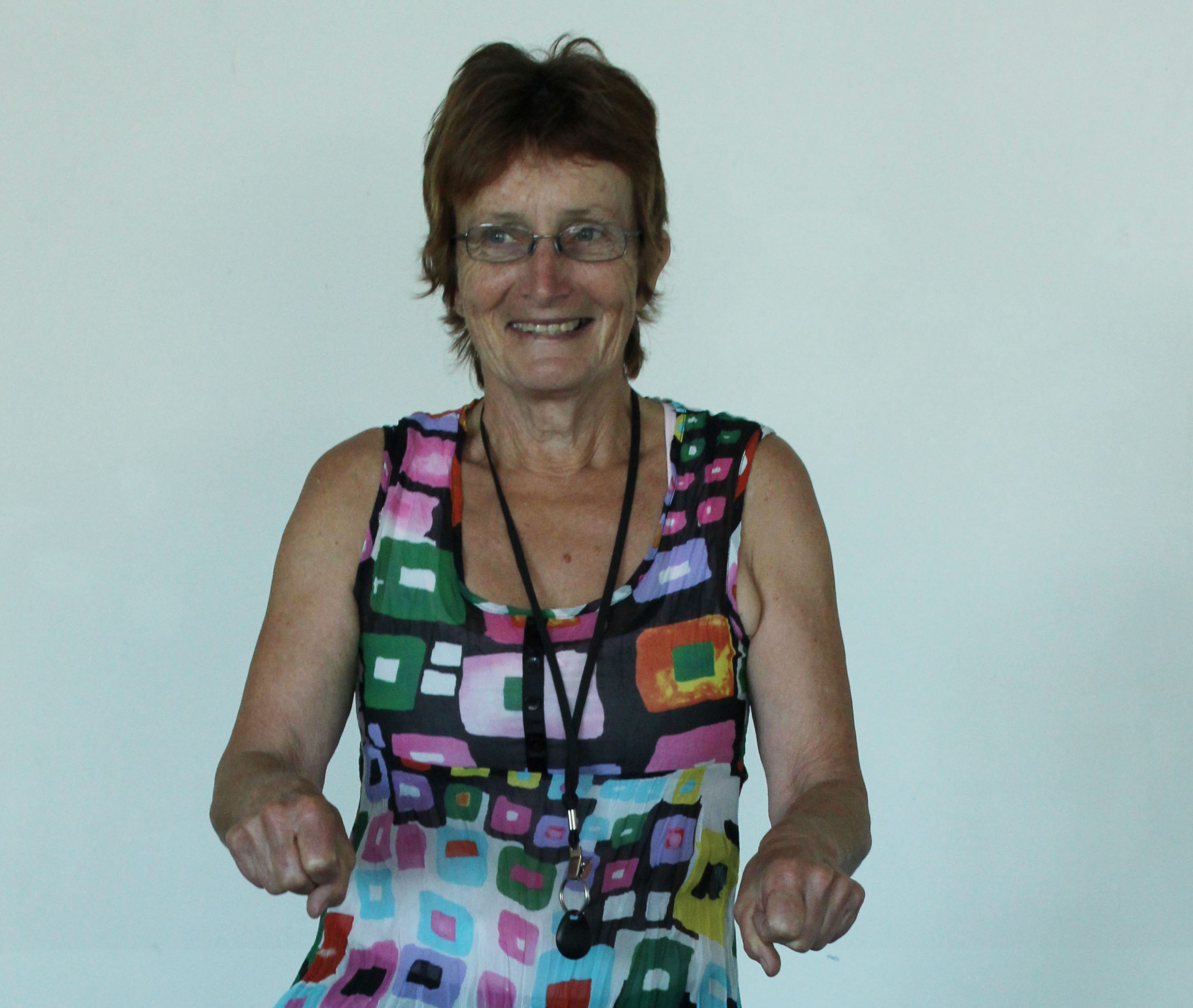


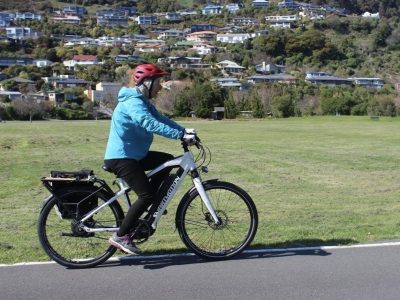

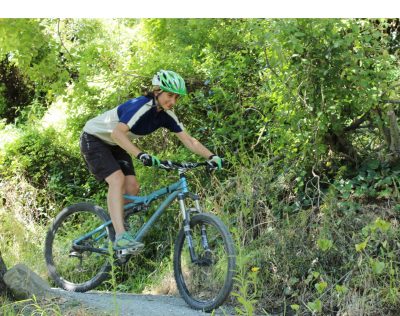


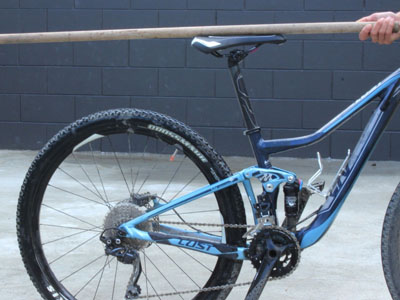
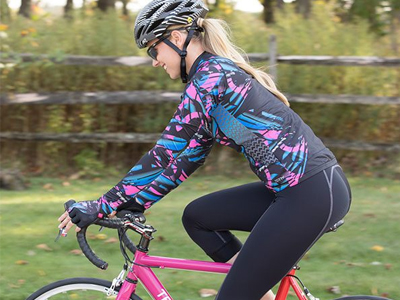

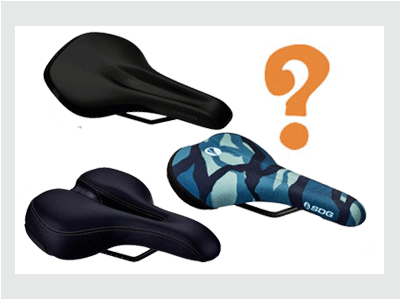
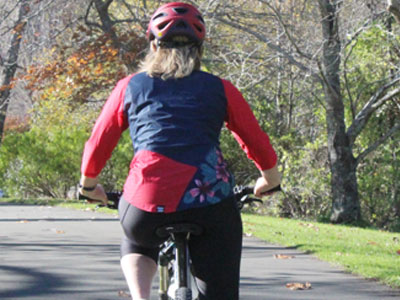


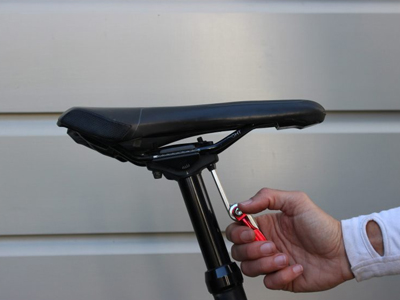

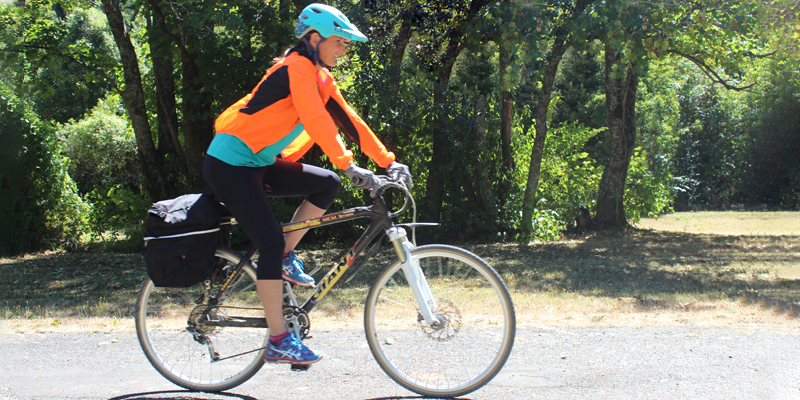


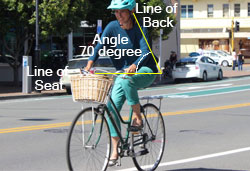
 Body Position on the Bike – Different types of bikes put your body in different riding positions. Bike seats have been designed to have the right support and cushioning in the right areas based on your riding position. From a fully upright rider where the proportion of weight and pressure is absorbed at the rear of the seat to a forward bend riding position where the weight and pressure is transferred more forward on the seat into the soft tissues.


 Your Riding Level
 Gender – Width/Channels – The main difference between a mens and womens saddle is that a womens saddle is generally wider through the rear. This matches to anatomical difference (women often have a wider pelvis than men). However, we are all different and a more accurate way to find your perfect saddle match is to understand the width of your own pelvis. Learn more in our story on
  Where you ride – What places do you enjoy and plan to ride in?
 Comfort Focus – Do you feel discomfort in a certain area of your body when you ride. The most common complaints are: